
The Complete Bra Size Guide for Women: Accurate Measurements, Perfect Fit & Everyday Comfort

Finding the right bra size can completely change how your clothes look and how your body feels throughout the day. Many women rely on guesswork, which often leads to discomfort, slipping straps, or gaping cups. This guide breaks down the essentials in a simple, practical way so you can measure, adjust, and shop with confidence.
1. Measure Your Band and Bust Accurately
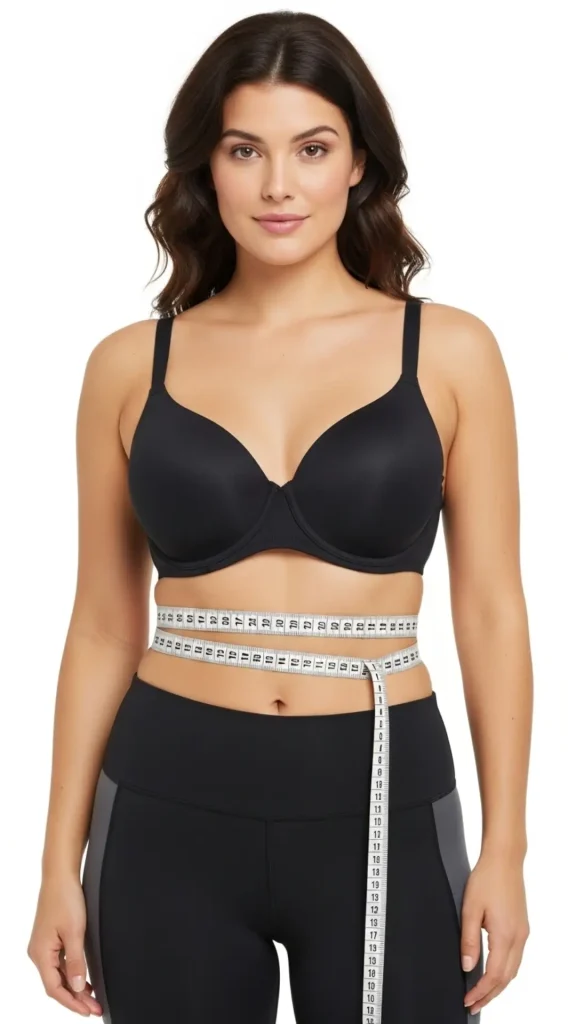
Start with the foundation of correct bra sizing by taking two key measurements: underbust and full bust. Wrap a soft tape snugly around your ribcage, keeping it parallel to the floor for an accurate band size.
Then measure around the fullest part of your bust while wearing a non-padded bra. This step is essential in any reliable bra fitting guide because small measurement errors can lead to major fit issues.
Accurate measuring for bra size gives you a realistic starting point before trying different styles or brands.
2. Calculate Cup Size Using the Difference Method
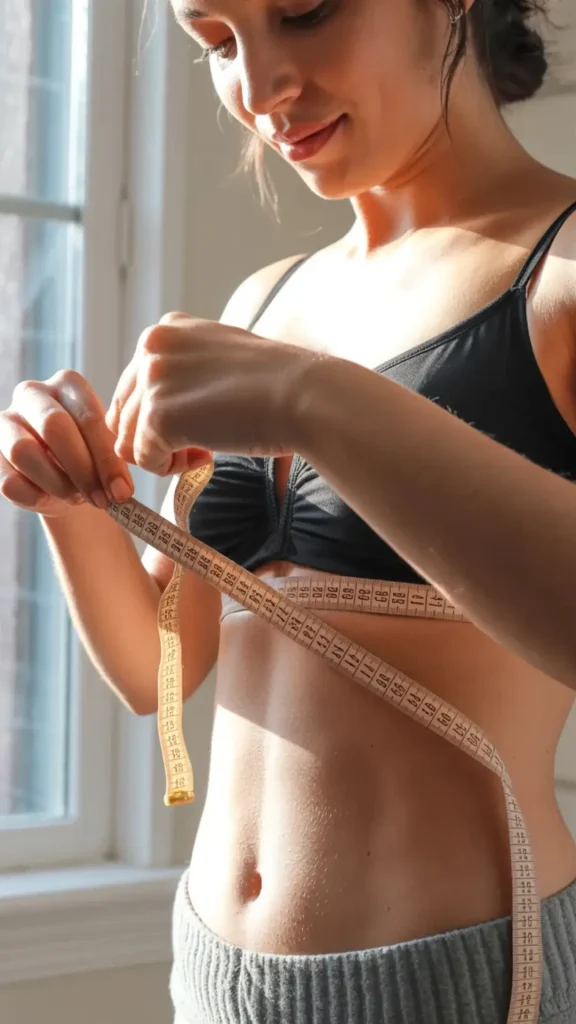
To answer the common question, what size bra do i wear, subtract your band measurement from your bust measurement. Each inch of difference typically equals a cup size (1 inch = A, 2 inches = B, and so on).
This simple formula is widely used in modern clothing sizes and helps narrow down options before shopping. While numbers provide guidance, remember that brand variations exist.
Think of this step as a strong baseline that simplifies sizing decisions and prevents the frustration of randomly trying multiple sizes.
3. Check Fit Signs That Confirm the Right Size
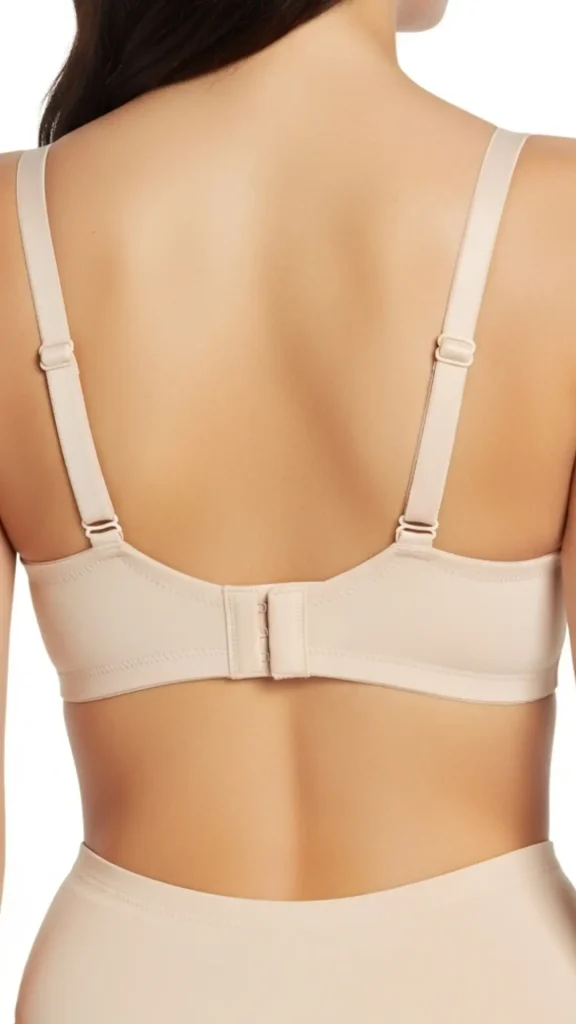
A good fit goes beyond numbers. The band should sit straight and firm across your back, providing most of the support, while the center gore lies flat against your chest.
Cups should fully contain breast tissue without spillage or gaps. These visual checks are core parts of any practical bra fitting advice for women because they reveal issues that measurements alone cannot.
When everything feels secure yet comfortable, you’re much closer to achieving lasting correct bra sizing for everyday wear.
4. Avoid Common Bra Sizing Mistakes
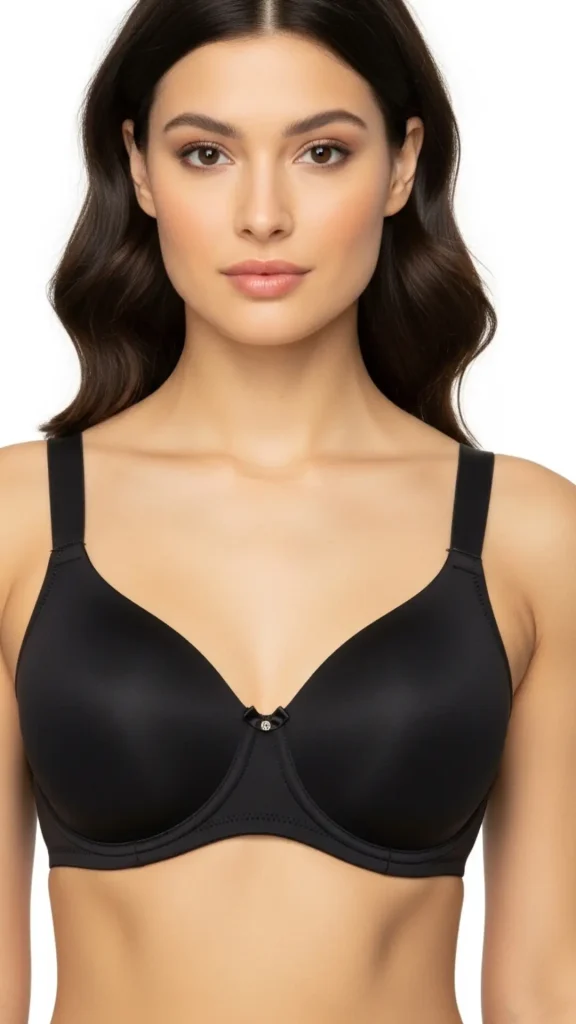
Many people choose bands that are too loose and cups that are too small, leading to poor support and constant readjusting.
Another mistake is relying on outdated methods that add extra inches to the band measurement. A modern bra fitting guide focuses on snug underbust measurements and realistic cup calculations.
Ignoring body changes due to weight shifts, pregnancy, or hormonal cycles can also affect fit. Revisiting measuring for bra size every few months ensures your bras continue to match your body’s natural changes.
5. Adapt for Brand Differences and Long-Term Comfort
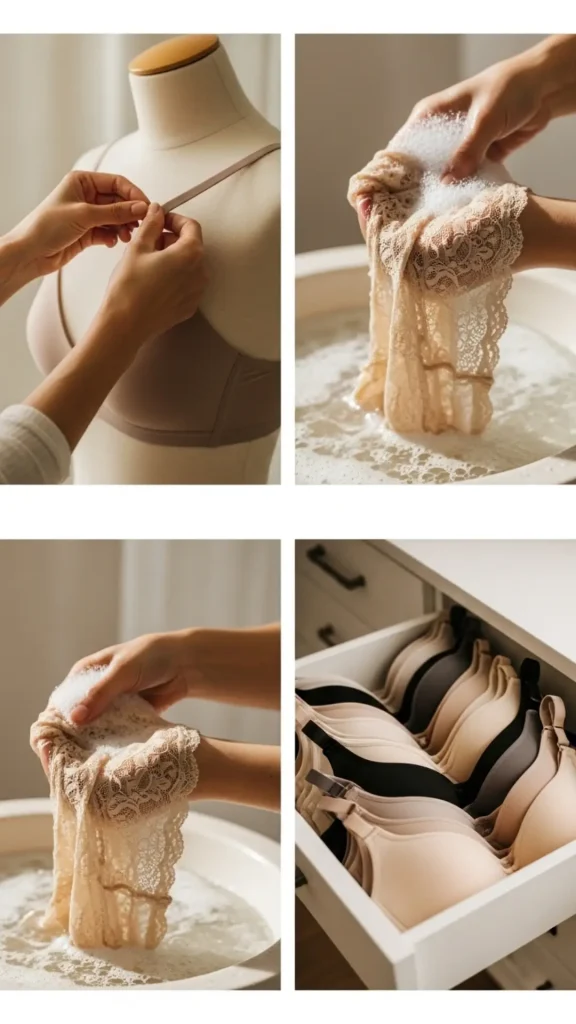
Even with precise measurements, sizing may vary between brands and regions, so trying sister sizes can improve comfort.
For example, if the band feels tight, moving up a band and down a cup can maintain volume while improving fit. This flexibility is helpful when navigating different clothing sizes across stores.
Rotating bras, starting on the loosest hook, and washing gently help maintain elasticity and consistent support. These small habits extend the life of your bras while keeping your fit aligned with correct bra sizing over time.
6. Use the Swoop and Scoop Technique for Better Placement
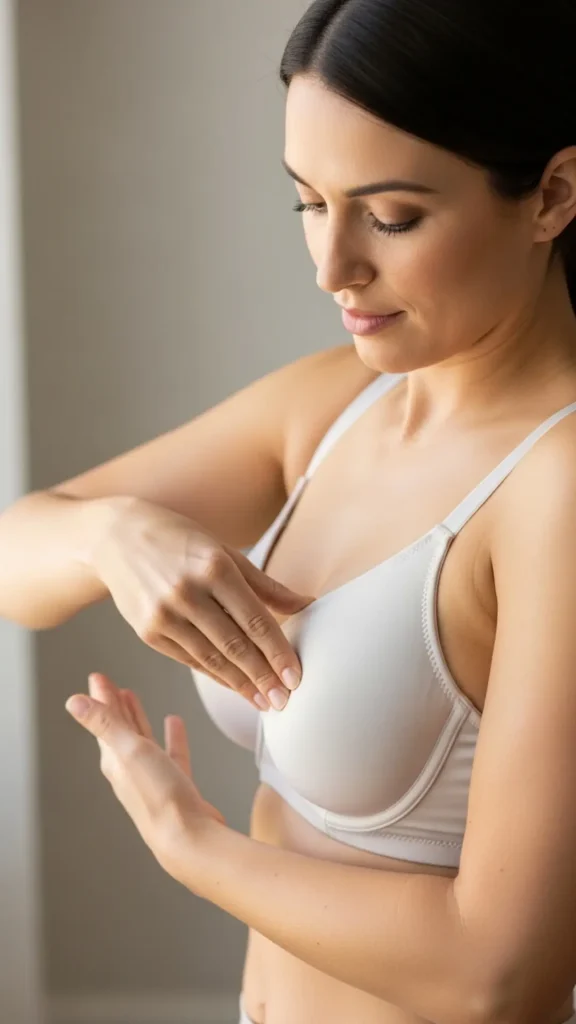
After putting on your bra, lean slightly forward and gently guide breast tissue from the sides and underneath into the cups.
This “swoop and scoop” step is often overlooked but makes a visible difference in support and shape. It ensures the underwire sits behind the tissue rather than pressing on it, which is a key detail in any reliable bra fitting guide.
When done correctly, cups feel fuller, straps sit better, and the band stays stable. Including this simple habit in your routine improves measuring for bra size accuracy and enhances everyday comfort.
7. Consider Breast Shape and Body Changes
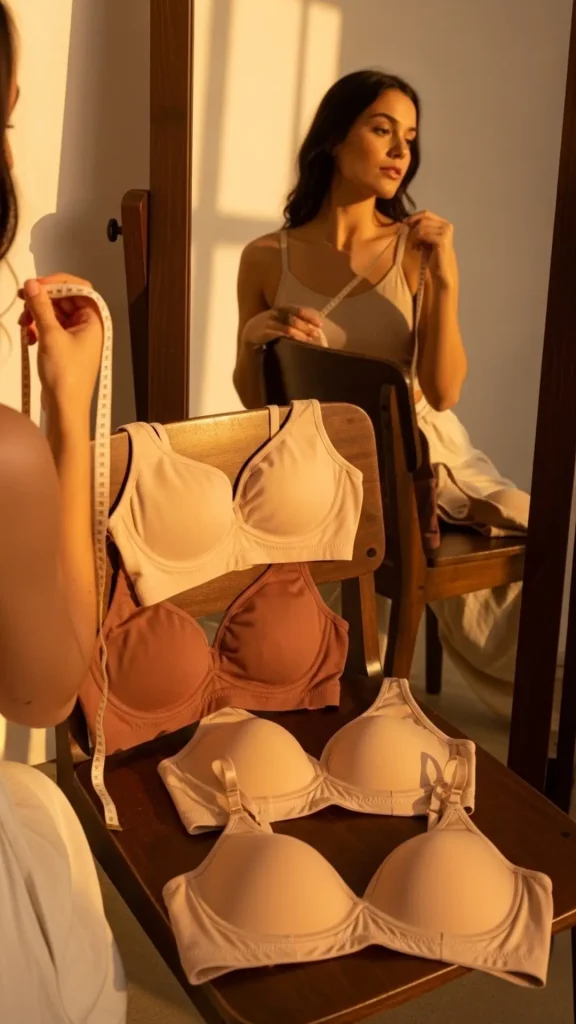
Sizing is not only about numbers; breast shape and natural body changes also influence how a bra fits. Shallow, full, or asymmetrical breasts may require different cup styles even within the same clothing sizes.
Life stages like pregnancy, weight fluctuation, or aging can alter volume and firmness, making periodic reassessment essential. This is why many women revisit what size bra do i wear multiple times over the years.
Paying attention to how your body evolves helps you choose supportive designs that feel aligned with your current shape rather than forcing an outdated size.
8. Know When to Seek a Professional Fitting

Home measurements provide a strong starting point, but some situations benefit from an expert eye. If you experience persistent discomfort, strap digging, or a floating center gore, a professional fitting can reveal subtle sizing issues.
Many women are surprised to learn their ideal size differs from what they’ve worn for years. Professional input, combined with your own measuring for bra size, creates a balanced approach.
This blend of guidance and self-awareness strengthens correct bra sizing habits and makes future shopping far less stressful.
9. Maintain Bra Shape to Preserve Fit Accuracy
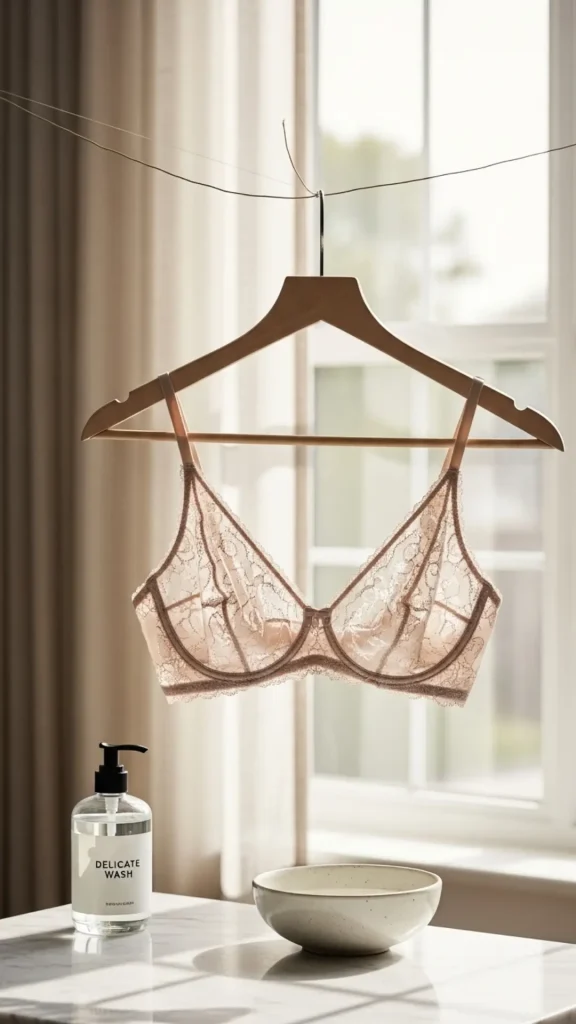
Even the best size will fail if the bra loses elasticity or structure. Rotating between several bras allows the elastic to recover and keeps the band supportive for longer.
Hand washing in cool water and air drying prevents fabric damage that can distort clothing sizes and alter fit. Over time, stretched bands and weakened cups may falsely suggest a sizing change when it’s actually wear and tear.
Caring for your bras properly ensures your bra fitting advice for women remains effective and your measurements continue to reflect a consistent, reliable fit.
10. Use Sister Sizes to Fine-Tune Your Fit
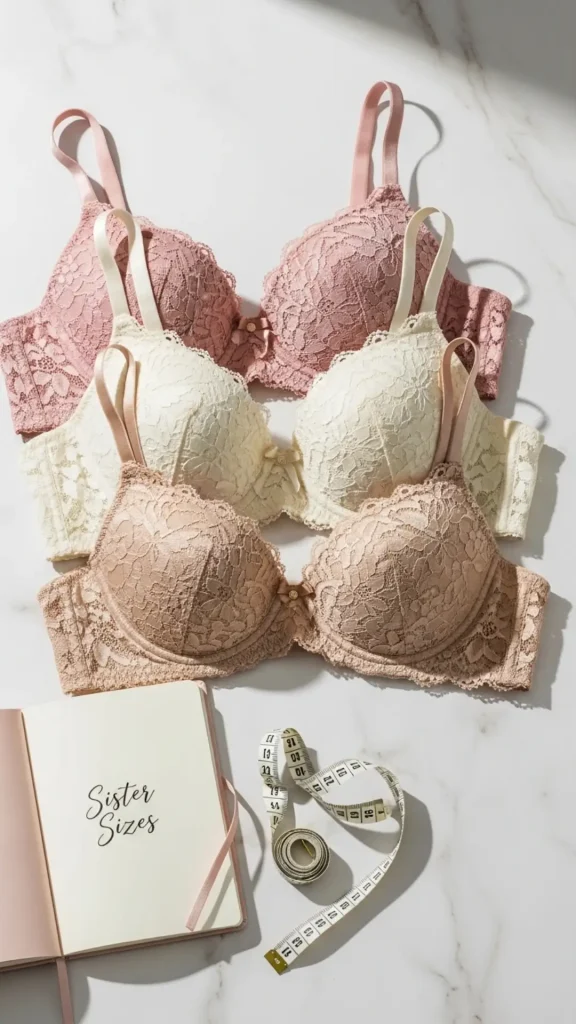
Sometimes the calculated size feels close but not perfect. This is where sister sizes help you adjust without losing cup volume. For example, if the band feels tight, try going up a band and down a cup to maintain balance.
This strategy is often included in any practical bra fitting guide because it accounts for variations in clothing sizes between brands. It also answers the ongoing question, what size bra do i wear, when one label’s sizing feels inconsistent.
Learning this simple adjustment method supports correct bra sizing while giving you more flexibility during shopping.
11. Notice the Warning Signs of a Poor Fit
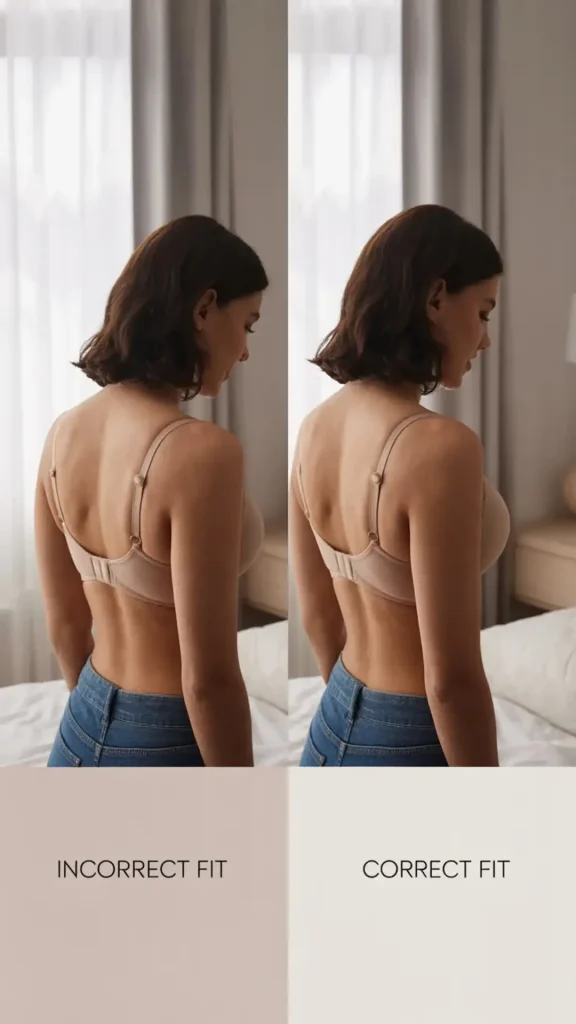
Your body usually signals when your bra size isn’t right. Bands riding up, straps slipping, cup spillage, or constant adjusting are all indicators that measuring for bra size should be revisited.
Red marks, shoulder strain, or a floating center gore can also point to mismatched proportions between band and cup. These everyday discomforts are why clear bra fitting advice for women focuses on both measurements and physical feel.
Paying attention to these warning signs helps you correct issues early, ensuring long-term comfort and more reliable correct bra sizing across different outfits.
12. Re-Measure Regularly to Stay Aligned With Your Body
Bodies naturally change due to weight shifts, hormonal cycles, or life stages, so your bra size shouldn’t stay static forever.
Rechecking measurements every six months keeps your sizing aligned with your current shape rather than relying on outdated numbers. This habit strengthens any bra fitting guide routine and keeps your wardrobe consistent with evolving clothing sizes.
Even small changes can affect how supportive or comfortable a bra feels. Making measuring for bra size a regular habit ensures you always have an updated answer to what size bra do i wear, without second-guessing your fit.
13. Prioritize Comfort Over Labels and Numbers

While numbers offer structure, true fit is about how the bra feels during real movement. A bra should stay secure when you raise your arms, bend, or walk throughout the day without shifting or pinching.
This mindset is essential for correct bra sizing because comfort often reveals more than the tag itself. Many women chase a specific size instead of focusing on support and balance.
A thoughtful bra fitting guide encourages you to trust both measurements and body feedback so your final choice feels natural, supportive, and easy to wear with different clothing sizes.
14. Build a Small Rotation for Consistent Support
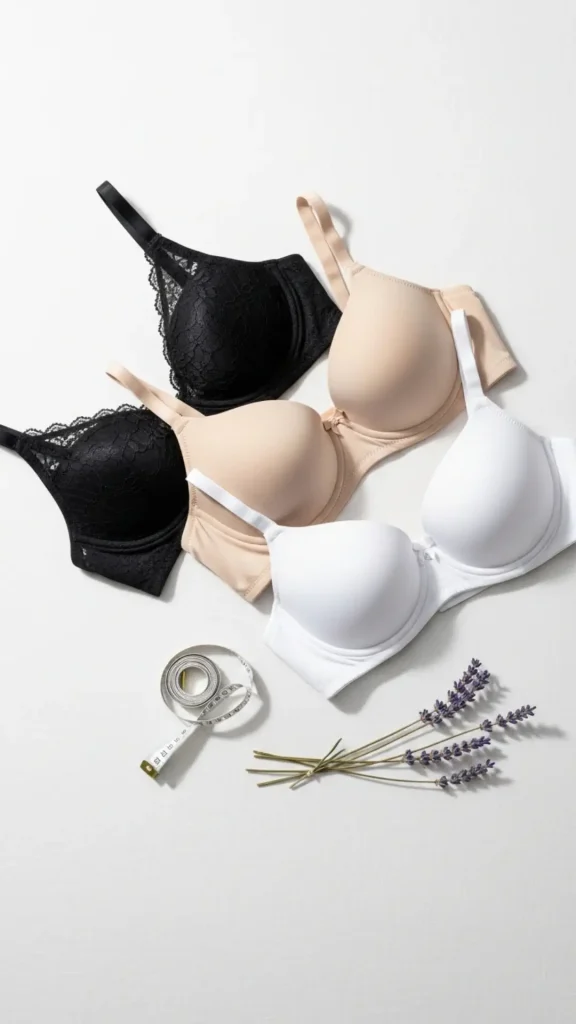
Wearing the same bra daily causes faster stretching, which changes how it fits and may lead you to believe your size has changed.
Keeping a small rotation allows elastic to recover and helps maintain accurate support over time. This simple habit complements measuring for bra size because it preserves the integrity of your band and cups.
When bras retain their shape, you can better evaluate whether adjustments are truly needed. Long-term care like this supports reliable bra fitting advice for women and keeps your sizing consistent through everyday use.
15. Choose Styles That Match Your Lifestyle Needs
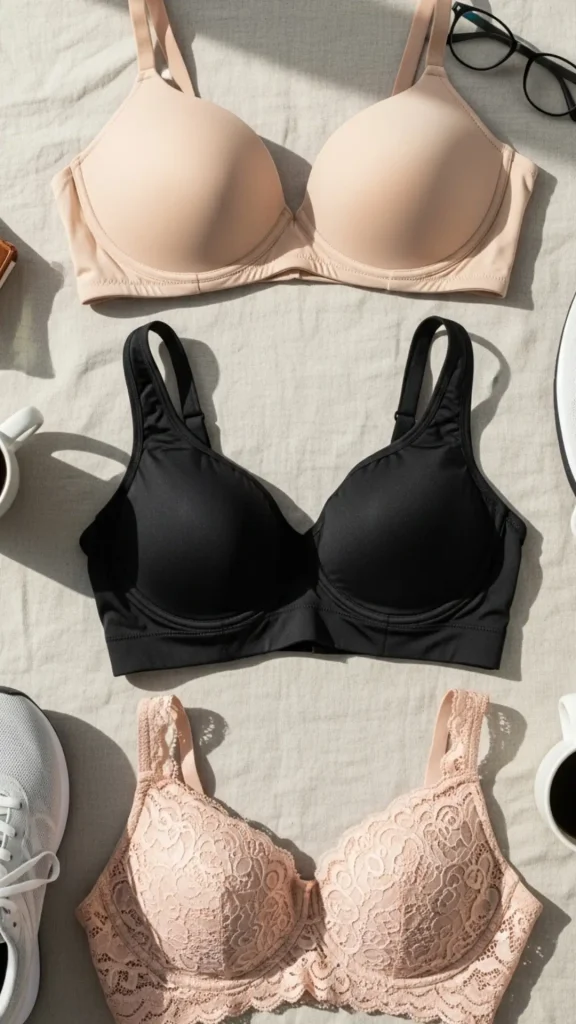
Different outfits and routines require different bra styles, even when the size remains the same. T-shirt bras work well for smooth lines, while full-coverage or sports bras offer stronger hold for active days.
Matching your bra style with daily activities answers the practical question, what size bra do i wear, in real-life situations rather than just measurements.
Considering lifestyle alongside clothing sizes ensures your bras support both appearance and movement. This thoughtful approach keeps correct bra sizing functional, comfortable, and adaptable to everything from workwear to relaxed weekends.
