
16 Tattoo Aftercare Tips That Prevent Fading, Infection, and Regret

A fresh tattoo looks amazing on day one, but how it heals decides how it looks for years. Small mistakes during healing can lead to fading, patchy ink, or irritation, especially with beginner tattoos.
This simple tattoo aftercare guide walks you through what actually works, so you can protect your skin, avoid common issues, and keep your tattoo looking clean, sharp, and long-lasting without overcomplicating the process.
1. Follow Your Tattoo Artist’s Instructions First
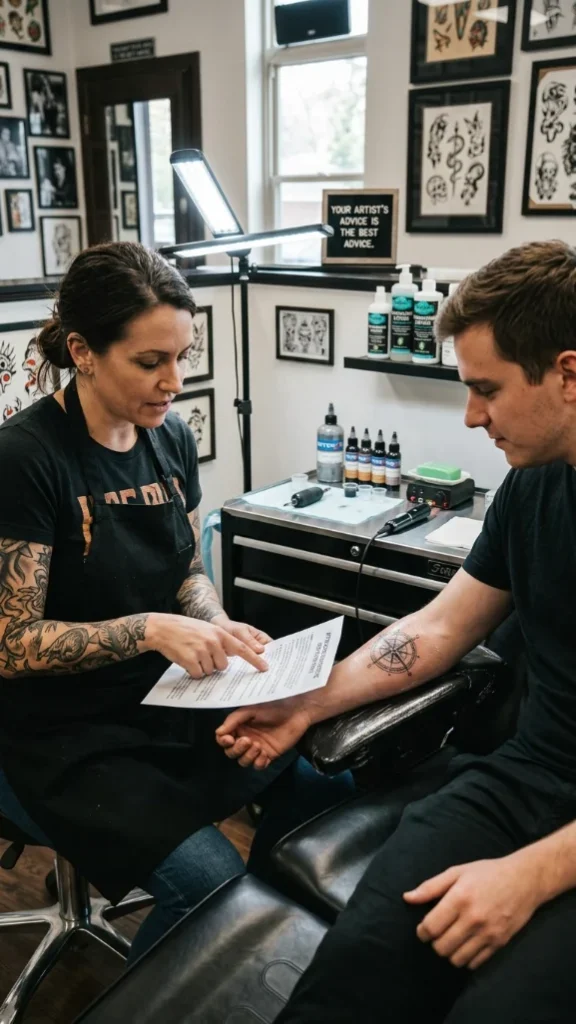
Your artist’s advice should always be your starting point, no matter how many tips you read online. Every tattoo is different; placement, size, ink type, and even your skin all affect healing.
That’s why their guidance acts as your personal tattoo aftercare guide. If something you see online contradicts what they told you, stick with your artist.
It’s one of the most reliable pieces of tattoo advice you can follow, especially for beginner tattoos. When in doubt, reach out to them instead of guessing. Small decisions early on can affect how your tattoo looks for years.
2. Leave the Bandage On for the Right Amount of Time
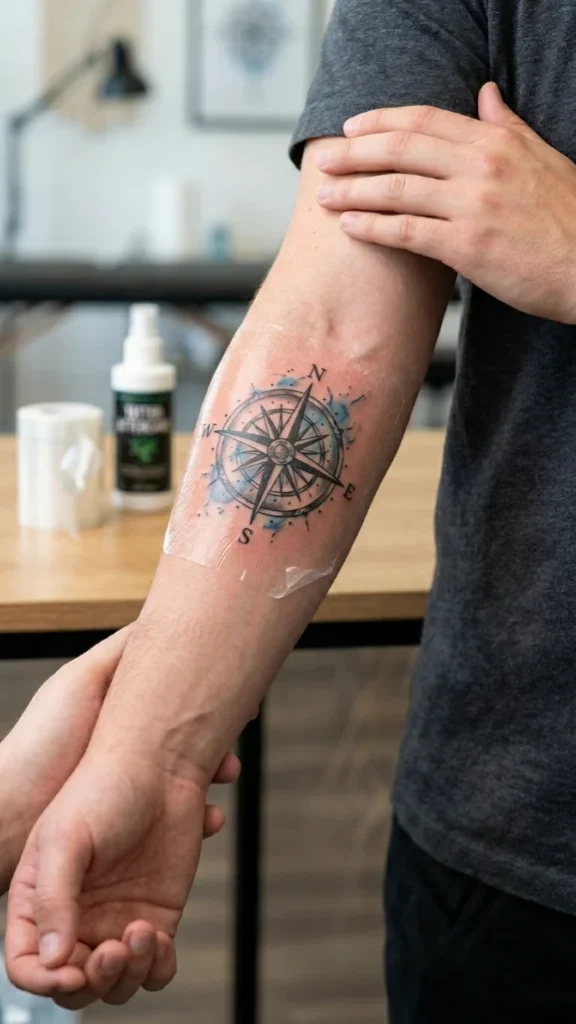
That first bandage isn’t just a cover. It’s your tattoo’s first layer of protection. It shields the area from bacteria, dirt, and friction while your skin is at its most vulnerable.
Removing it too soon can expose the tattoo, while leaving it on too long may trap moisture and cause irritation. A proper aftercare for tattoo routine always includes timing this step correctly.
Whether it’s a basic wrap or a second-skin film, follow the timeframe your artist recommends. This step is often underestimated, but it plays a big role in what’s considered the best tattoo aftercare.
3. Always Wash Your Hands Before Touching Your Tattoo
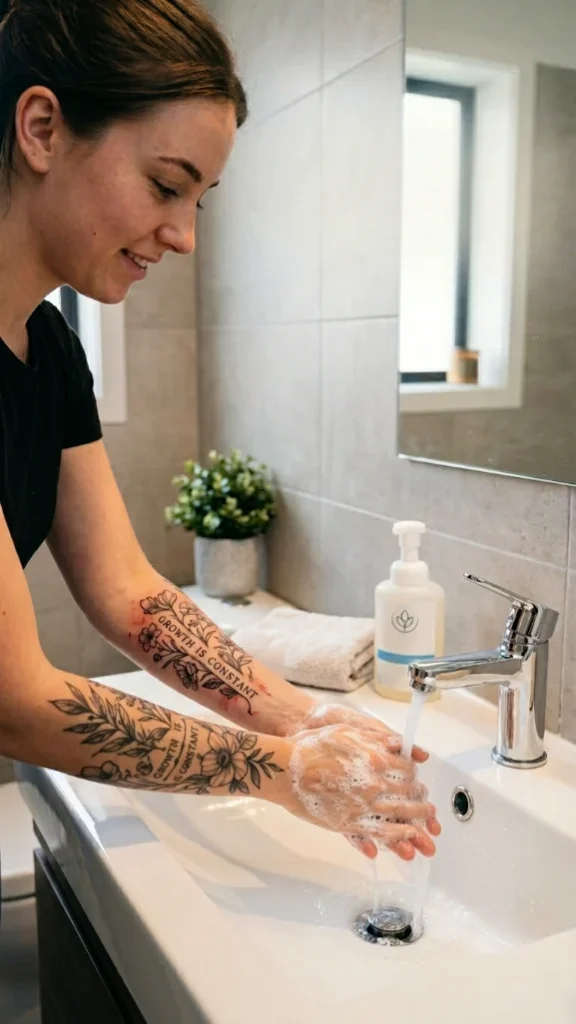
It’s easy to forget how often your hands pick up bacteria throughout the day. Touching your fresh tattoo without washing them first can introduce germs directly into open skin, increasing the risk of infection.
This is why proper hygiene is a core part of any tattoo aftercare instructions. Before cleaning, moisturizing, or even checking your tattoo, take a moment to wash your hands with antibacterial soap.
It only takes a few seconds but protects your tattoo in a big way. Even in a diy tattoo aftercare routine, this step should never be skipped or rushed.
4. Gently Wash Your Tattoo Daily
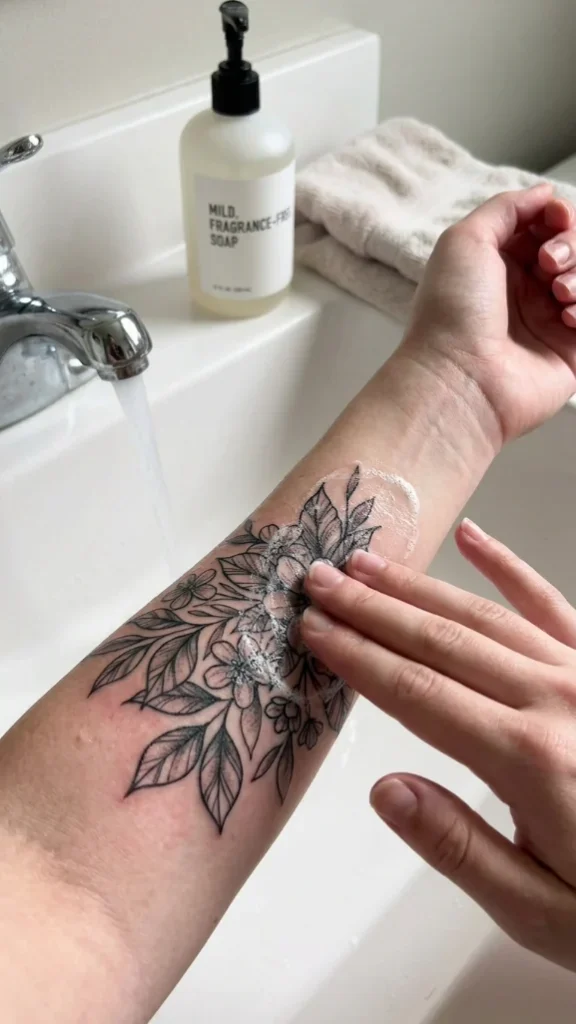
Washing your tattoo keeps it clean, reduces buildup, and helps prevent infection, but it needs to be done gently. Harsh scrubbing or strong products can irritate the skin and slow healing.
Stick to lukewarm water and a mild, fragrance-free soap, and use only your fingertips. This is a key part of any modern tattoo aftercare guide because it balances cleanliness with care.
Aim to wash your tattoo one to three times daily, especially if you sweat or live in a warm climate. Consistency here is what keeps your tattoo looking fresh and healing evenly.
5. Pat Dry, Never Rub
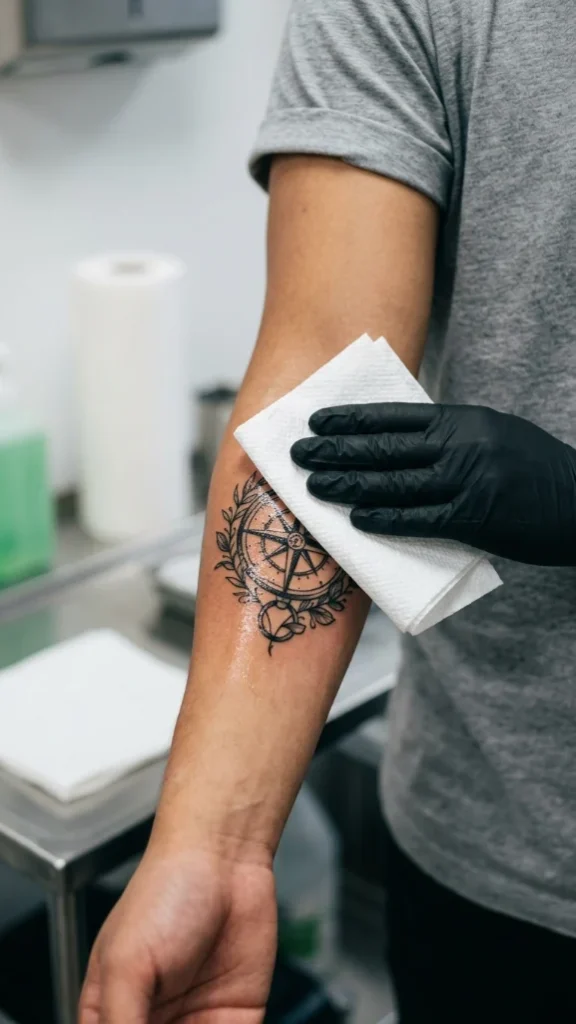
Drying your tattoo the wrong way can undo the care you just put into cleaning it. Rubbing with a towel creates friction that can damage healing skin, pull at scabs, and even affect how the ink settles.
Instead, gently pat the area dry with a clean paper towel or let it air-dry naturally. This simple habit is a staple in every best tattoo aftercare routine because it protects delicate skin during a critical stage.
It may feel like a small detail, but it plays a big role in smooth healing and long-lasting results.
6. Apply a Thin Layer of Moisturizer(Not Too Much)
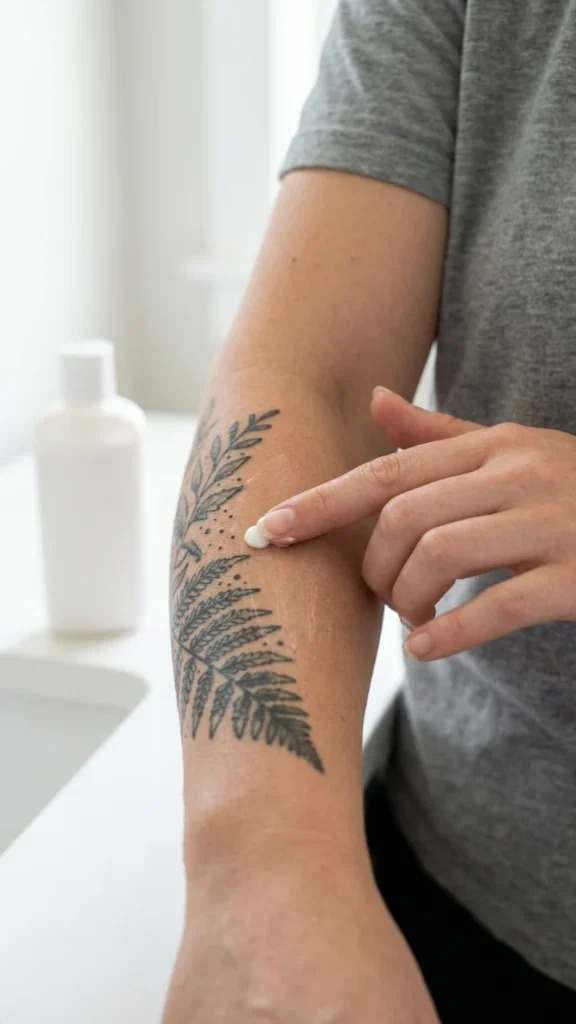
Keeping your tattoo hydrated is essential, but more product doesn’t mean better results. A thin layer is all you need to prevent dryness, cracking, and irritation.
Over-applying can clog pores, suffocate the skin, and slow healing. This balance is a key part of any best tattoo aftercare routine. Use a fragrance-free, alcohol-free lotion or whatever your artist recommends.
Your skin should feel soft not greasy or shiny. In many diy tattoo aftercare routines, people overdo this step, so staying mindful here can really improve how your tattoo heals and settles.
7. Never Pick, Scratch, or Peel Your Tattoo
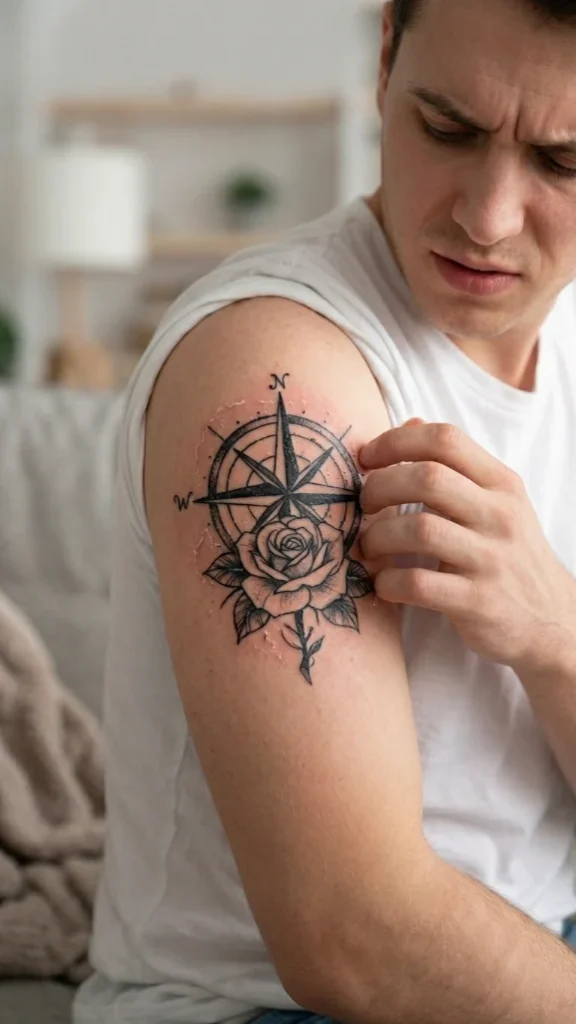
As your tattoo heals, it will start to itch and form light scabs or flakes. This is completely normal, but touching it can cause serious damage. Picking or scratching can pull out ink, leave patchy spots, or even lead to scarring.
This is one of the most repeated rules in any tattoo aftercare instructions for a reason. If the itching gets annoying, gently moisturize or lightly tap the area instead.
Patience here pays off. Let your skin heal naturally, and you’ll end up with a cleaner, sharper result that actually lasts.
8. Avoid Submerging Your Tattoo in Water
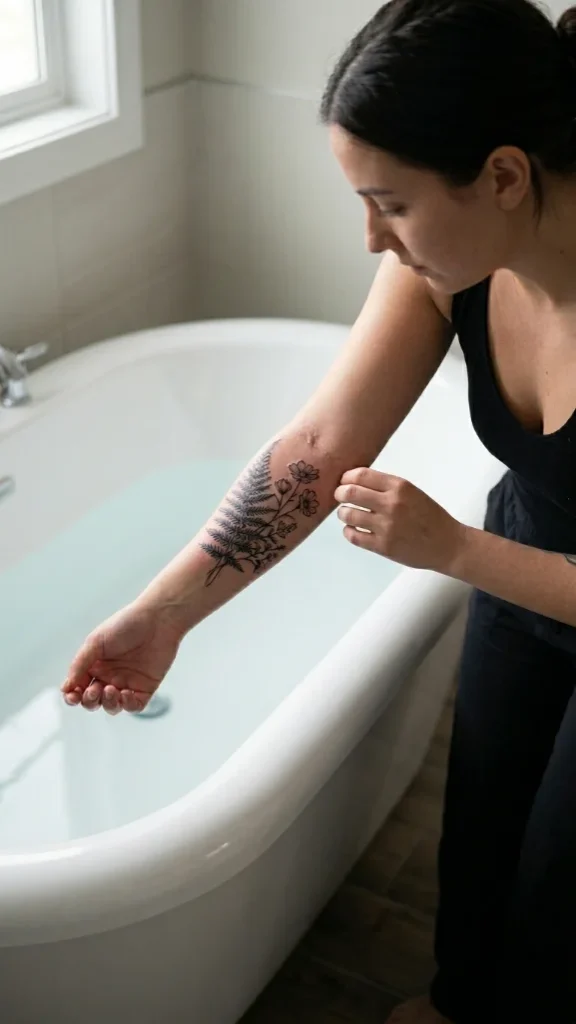
While quick showers are fine, soaking your tattoo is not. Baths, pools, hot tubs, and oceans can introduce bacteria and soften the skin too much, which disrupts healing.
This is a major “don’t” in every aftercare for tattoo routine. Submerging can also cause scabs to fall off too early, leading to uneven ink.
Even if your tattoo looks okay on the surface, deeper layers are still healing. Give it at least a few weeks before exposing it to water like this. It’s a simple restriction that protects both your skin and your design.
9. Keep Your Tattoo Out of Direct Sunlight

Fresh tattoos and sunlight don’t mix well. UV rays can fade the ink, irritate the skin, and slow down healing. During the early stages, your tattoo is extra sensitive, making sun exposure even more damaging.
Cover it with loose clothing instead of applying sunscreen right away. This step is often highlighted in any modern tattoo aftercare guide because it directly affects how vibrant your tattoo stays over time.
Once it’s fully healed, you can introduce sunscreen, but until then, keeping it out of the sun is the safest move.
10. Wear Loose, Breathable Clothing

Tight clothing rubbing against your tattoo can cause irritation, trap sweat, and even stick to the skin while it heals. This can lead to discomfort and disrupt the healing process.
Choosing loose, breathable fabrics allows your skin to recover without unnecessary friction. It’s a small adjustment, but it makes a noticeable difference in comfort and results.
Many people overlook this in their tattoo aftercare guide, especially with certain placements. Giving your tattoo space to breathe is one of the easiest ways to support smooth, even healing from start to finish.
11. Stay Hydrated and Eat Well

Healing your tattoo isn’t just about what you put on your skin. It’s also about how you support your body from within. Drinking enough water helps keep your skin hydrated and elastic, which can improve how your tattoo heals.
A balanced diet with vitamins and protein supports skin repair and reduces recovery time. This often gets overlooked in a typical tattoo aftercare guide, but it makes a real difference.
Even in a simple diy tattoo aftercare routine, taking care of your overall health helps your tattoo settle better and look more vibrant.
12. Avoid Heavy Sweating and Intense Workouts

Exercise is great, but right after getting a tattoo, it can do more harm than good. Heavy sweating can introduce bacteria, while stretching or friction from movement can irritate the area and slow healing.
This is especially important for larger tattoos or those near joints. Most tattoo aftercare instructions recommend taking a break from intense workouts for at least a few days.
Light movement is fine, but anything that causes excessive sweat or rubbing should be avoided. Giving your tattoo time to stabilize helps prevent complications and uneven healing.
13. Use Only Gentle, Unscented Products
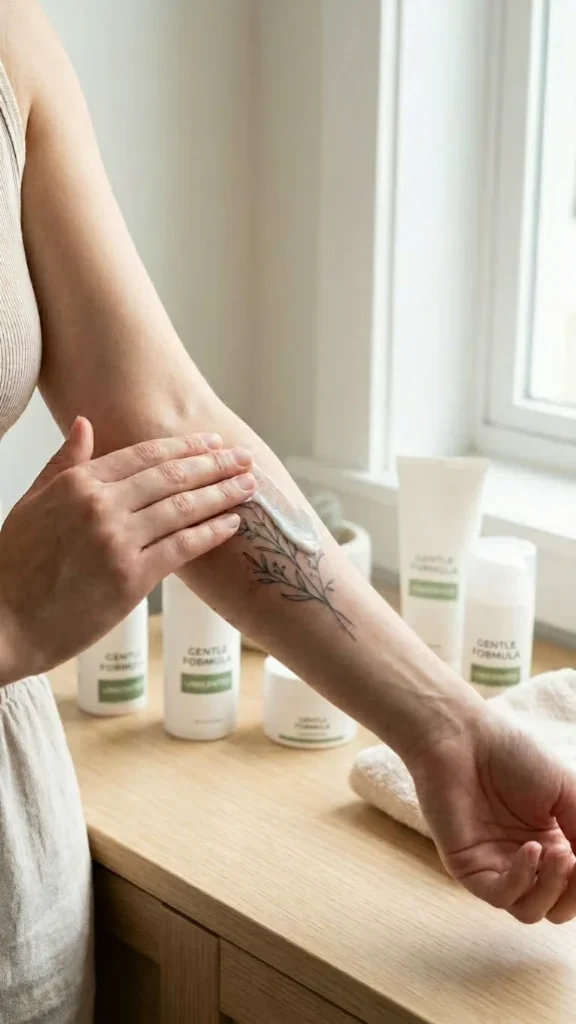
Your skin is more sensitive than usual while your tattoo heals, so harsh products can easily cause irritation. Avoid anything with fragrance, alcohol, or strong chemicals, as these can dry out the skin or trigger reactions.
Stick to simple, gentle formulas that support healing without interfering. This is a core rule in any best tattoo aftercare routine because the wrong product can undo your progress quickly.
Keeping your routine minimal and clean is often the safest approach, especially during the first couple of weeks when your skin needs extra care.
14. Keep Your Environment Clean

Your tattoo doesn’t heal in isolation. Your surroundings matter too. Clean bedding, towels, and clothing help reduce the risk of bacteria coming into contact with your skin.
Sleeping on fresh sheets and avoiding dirty fabrics is a simple but effective step in any aftercare for tattoo plan. It’s especially important during the first few nights when your tattoo may still be sensitive or slightly oozing.
This habit might seem minor, but it adds an extra layer of protection that supports smoother, safer healing overall.
15. Watch for Signs of Infection
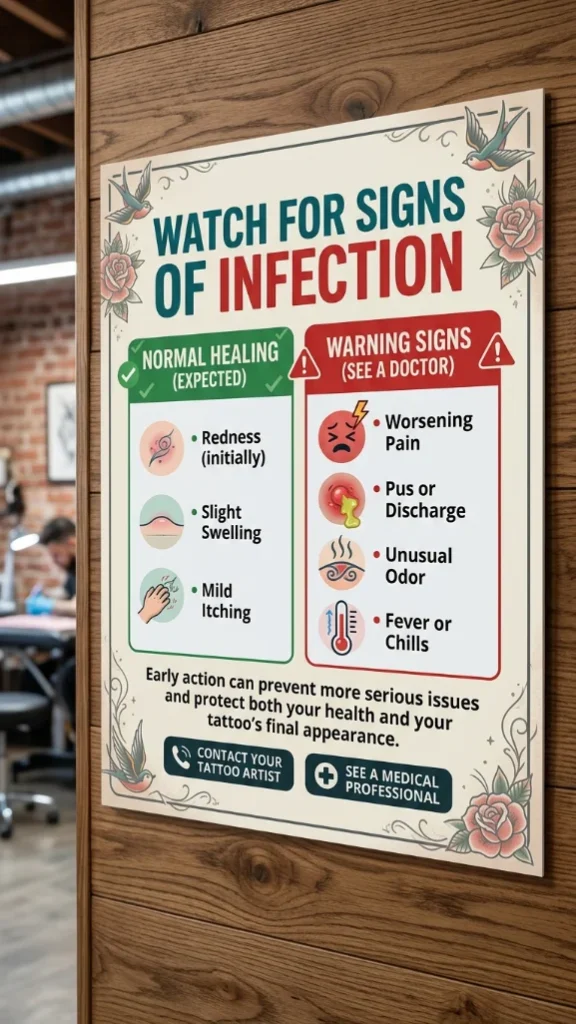
Some redness, slight swelling, and itching are normal, but worsening pain, pus, unusual odor, or fever are not. Knowing the difference can help you act quickly if something goes wrong.
This is a crucial part of any tattoo advice, especially for those new to beginner tattoos. If you notice anything concerning, don’t wait, contact your tattoo artist or a medical professional.
Early action can prevent more serious issues and protect both your health and your tattoo’s final appearance.
16. Use Sunscreen After Healing
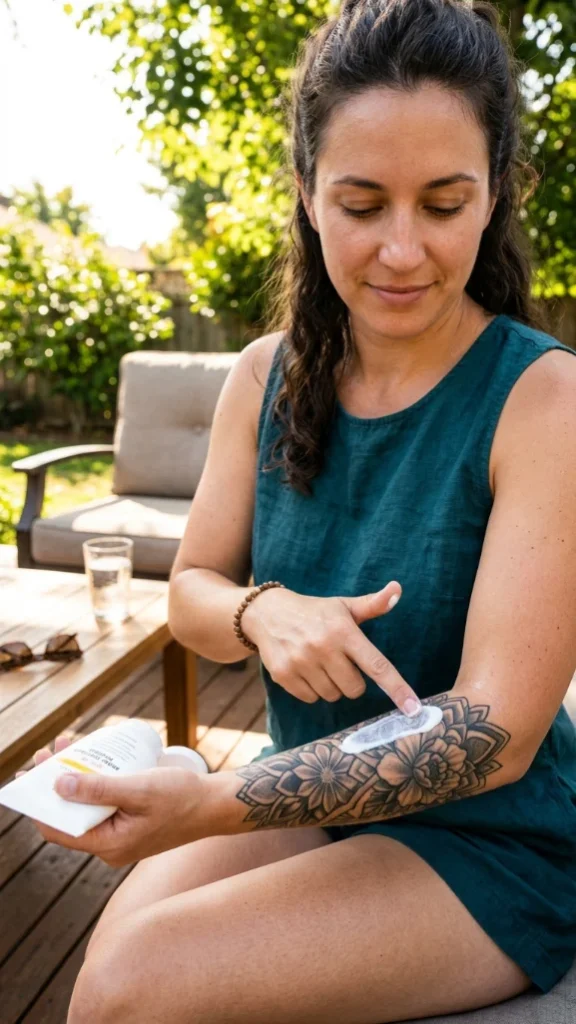
Once your tattoo is fully healed, protecting it from the sun becomes a long-term priority. UV exposure is one of the main reasons tattoos fade over time.
Applying a broad-spectrum sunscreen (SPF 30 or higher) helps maintain color and sharpness. This step is often included in a modern tattoo aftercare guide because aftercare doesn’t stop when the skin looks healed.
Keeping your tattoo moisturized and protected ensures it stays vibrant for years, not just weeks.
