
22 Hair Growth Tips That Help Your Hair Grow Faster

Growing long, healthy hair takes patience, but the right habits can make a noticeable difference. Hair grows slowly about half an inch a month, but small changes in your routine can protect your strands, reduce breakage, and support stronger growth over time.
These practical growth hair tips combine nutrition, scalp care, and gentle styling habits that help your hair stay healthy from root to tip. Many of them also double as hair care natural remedies that are simple to try at home.
1. Maintain a Balanced Diet Rich in Nutrients

Healthy hair starts with what you eat. Hair follicles rely on nutrients like protein, iron, zinc, vitamins A, C, D, and omega-3 fatty acids to grow strong strands.
Adding foods like eggs, salmon, leafy greens, nuts, and avocados to your meals can help nourish follicles from the inside. Many people focus only on products, but internal nutrition often makes the biggest difference in hair strength and thickness.
When your body gets the right nutrients consistently, hair becomes less prone to shedding and breakage. This simple habit is one of the most overlooked growth hair tips, yet it plays a major role in supporting quick hair growth naturally.
2. Massage Your Scalp Daily

A daily scalp massage can help stimulate circulation around the hair follicles. Better blood flow means more oxygen and nutrients reaching the roots, which supports healthier growth.
Use your fingertips and apply gentle circular pressure across your scalp for about 5 to 10 minutes. Some people like to do this while watching TV or before bed.
You can also add natural oils such as coconut or rosemary oil to enhance the experience. Over time, this routine can improve scalp health and reduce tension.#
Many people consider scalp massage one of the easiest hair growth homemade routines you can start without buying expensive products.
3. Get Regular Trims
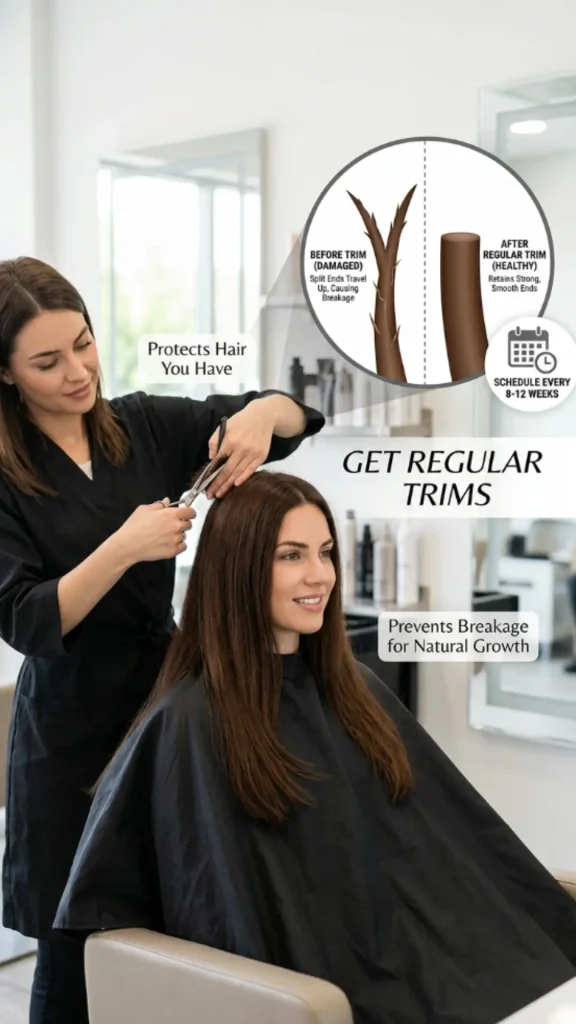
Trimming your hair may sound like the opposite of growing it, but it actually helps maintain length. Split ends can travel up the hair shaft, leading to breakage that makes hair appear shorter and thinner.
Scheduling a small trim every 8 to 12 weeks helps remove damaged ends before they worsen. The goal isn’t cutting off length, it’s protecting the hair you already have.
When strands stay strong and smooth, you retain more of your natural growth. Pairing trims with gentle hair routines is one of the simplest growth hair tips for anyone trying to grow their hair longer without constant breakage.
4. Avoid Excessive Heat Styling
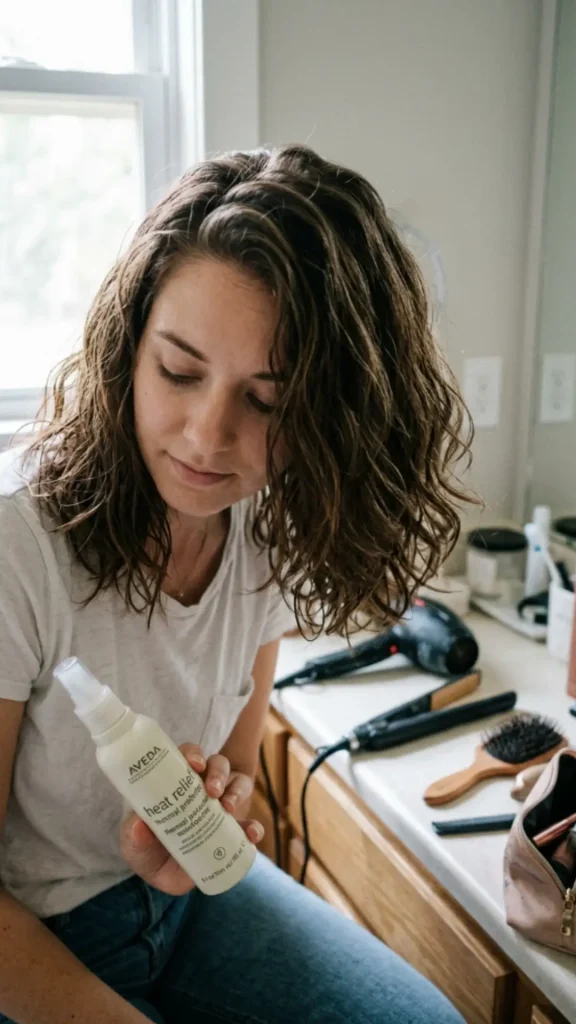
Frequent heat styling weakens hair protein and dries out strands, making them more prone to breakage. Straighteners, curling irons, and blow dryers can slowly damage the outer cuticle layer.
If possible, allow your hair to air dry or use heat tools only on special occasions. When you do use heat, apply a heat protectant and keep the temperature moderate.
This protects your hair’s natural strength and shine. Reducing heat damage is a major dry hair solution, especially for people struggling with brittle strands that refuse to grow past a certain length.
5. Take Supplements if Needed

Sometimes hair struggles to grow because the body lacks certain nutrients. Deficiencies in iron, vitamin D, or zinc can contribute to shedding and slower growth.
If you suspect this might be the case, consider speaking with a healthcare professional about supplements. Hair vitamins can help fill nutritional gaps, but they work best alongside a balanced diet.
Many people notice improvements in hair strength after correcting deficiencies. Supporting your body internally is an important step toward quick hair growth, especially when hair loss is linked to nutrition or stress.
6. Manage Stress Levels

Stress can interrupt the natural hair growth cycle and push more strands into the shedding phase. Over time, this can lead to noticeable thinning.
Managing stress through daily habits like walking, yoga, journaling, or meditation can support overall health including your hair.
Even small lifestyle adjustments, such as improving sleep routines or taking short breaks during the day, can help regulate stress hormones.
When your body feels balanced, hair follicles are more likely to stay in the active growth stage longer. For many people, reducing stress becomes an unexpected but effective hair care natural remedies strategy.
7. Try Topical Minoxidil
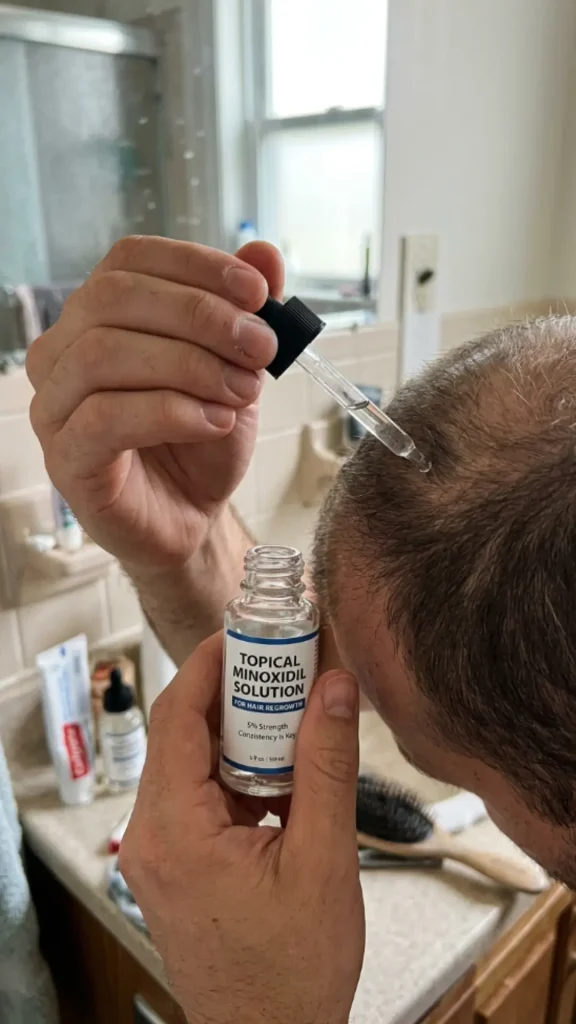
Minoxidil is one of the few treatments approved to support hair regrowth. It works by increasing blood flow around hair follicles and extending the growth phase of the hair cycle.
When applied consistently to the scalp, it may help slow hair thinning and encourage new growth. Many people begin to see improvements after several months of regular use.
While it isn’t a miracle solution, it can be helpful for those experiencing pattern hair loss. Combining medical treatments with natural growth hair tips often produces better results than relying on one method alone.
8. Use Essential Oils Like Rosemary or Castor Oil
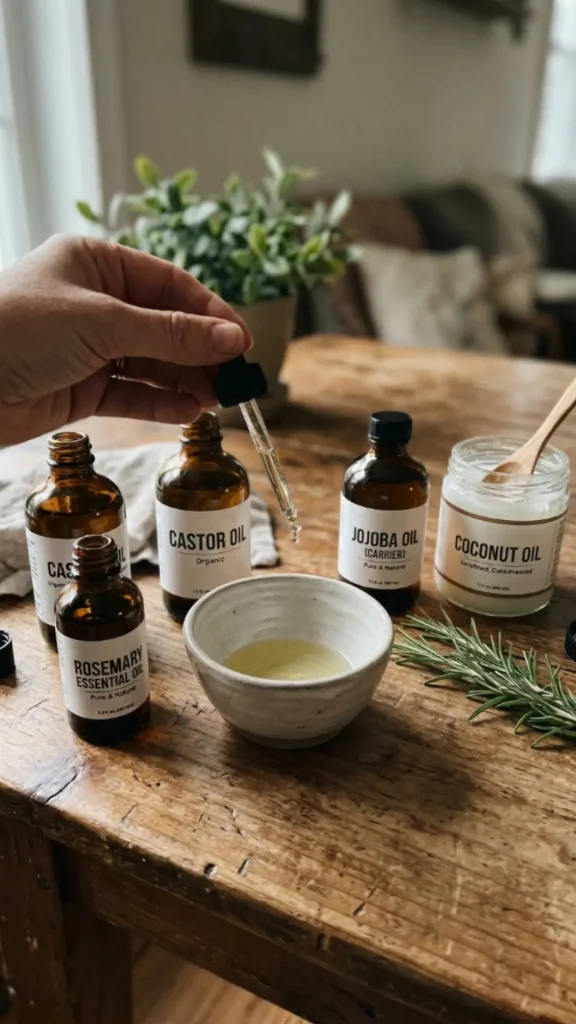
Natural oils have long been used to support scalp health. Rosemary oil is known for improving circulation, while castor oil helps moisturize the scalp and strengthen hair strands.
Mixing a few drops of essential oil with a carrier oil such as jojoba or coconut oil makes a simple treatment you can massage into the scalp once or twice a week.
This routine supports hydration and may help reduce inflammation around follicles. Many people include oil treatments in their hair growth homemade routines because they are affordable and easy to apply at home.
9. Condition Your Hair Regularly
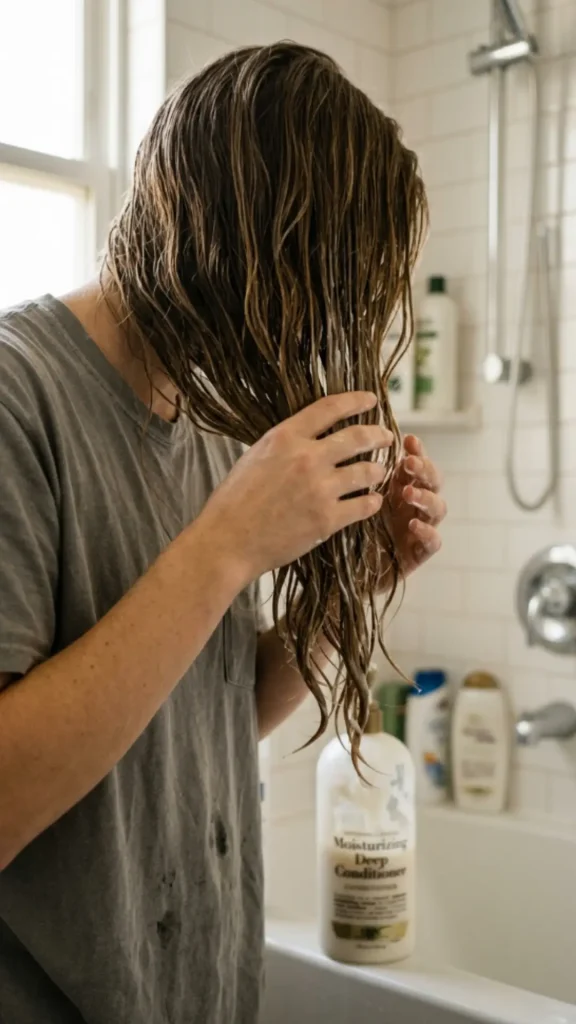
Conditioner is essential for maintaining soft, manageable hair. It helps smooth the hair cuticle, lock in moisture, and reduce friction when brushing. Apply conditioner mainly to the mid-lengths and ends after shampooing.
Deep conditioning treatments once a week can also improve elasticity and prevent dryness. Hydrated hair breaks less easily, which helps preserve the length you’re trying to grow.
If your strands often feel rough or tangled, improving your conditioning routine can be a simple dry hair solution that supports healthier hair growth over time.
10. Get Enough Sleep

Sleep plays an important role in overall hair health. During deep sleep, the body repairs tissues, balances hormones, and supports cell regeneration including the cells responsible for hair growth.
Consistently getting seven to nine hours of rest each night allows these natural processes to work properly. Lack of sleep can increase stress hormones that may disrupt the hair growth cycle.
Improving sleep habits, such as reducing screen time before bed and keeping a regular sleep schedule, can support both scalp health and energy levels. Better rest often leads to noticeable improvements in quick hair growth efforts.
11. Keep Your Scalp Clean and Healthy
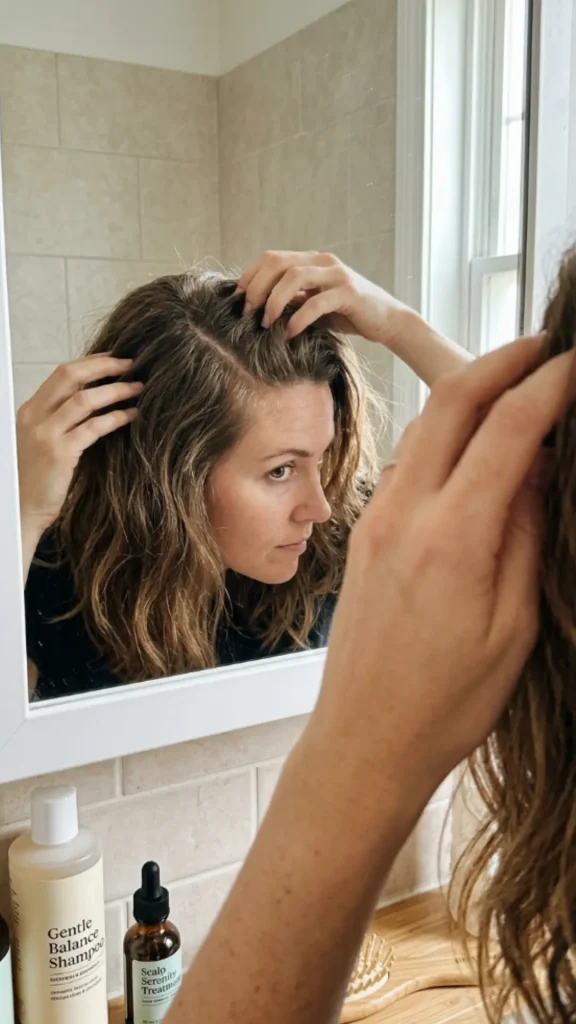
A healthy scalp creates the best environment for strong hair growth. Product buildup, excess oil, or dandruff can clog follicles and irritate the scalp.
Washing your hair with a gentle shampoo helps remove dirt and buildup while maintaining natural oils. The ideal washing frequency varies depending on hair type, but keeping the scalp fresh and balanced is key.
Some people also use occasional clarifying treatments to remove stubborn buildup. A clean scalp is the foundation of many effective hair growth tips, since healthy follicles grow stronger strands.
12. Avoid Tight Hairstyles

Hairstyles that pull tightly on the scalp like tight ponytails, braids, or buns, can cause tension around the hair follicles. Over time, this stress may lead to traction hair loss or thinning around the hairline.
Choosing looser hairstyles helps protect the roots and reduces strain on delicate strands. If you enjoy styling your hair, try alternating styles to give your scalp a break.
Protecting your hairline is an important part of maintaining length and fullness. Gentle styling habits support healthier growth and prevent unnecessary hair loss.
13. Sleep on a Silk Pillowcase

Your pillowcase can influence hair health more than you might think. Cotton pillowcases create friction that can rough up the hair cuticle while you sleep.
Silk or satin pillowcases allow hair to glide smoothly across the surface, reducing tangles and breakage overnight. They also help hair retain moisture, which is helpful for preventing dryness.
Many people switch to silk pillowcases as a simple dry hair solution that protects their strands without adding extra steps to their routine. Over time, this small change can help preserve length and shine.
14. Eat More Protein-Rich Foods
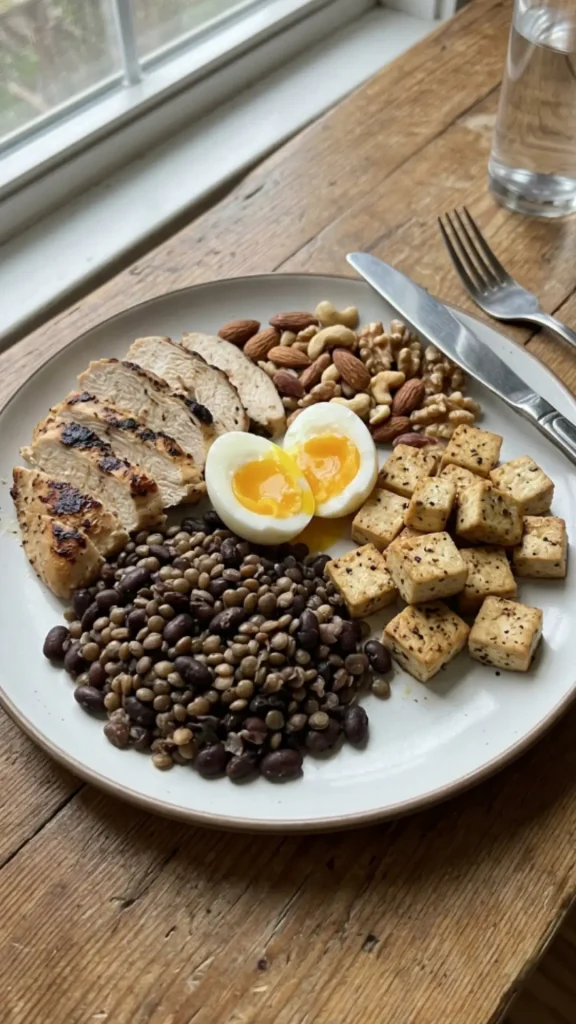
Hair is made primarily of keratin, a protein that gives strands their structure and strength. Without enough protein in your diet, hair may become weak and prone to shedding.
Adding foods like eggs, chicken, beans, lentils, tofu, and nuts can help support healthy hair formation. Balanced meals that include protein also support overall energy and muscle health.
When the body receives enough protein regularly, it can better prioritize hair growth and repair. This dietary habit remains one of the most effective growth hair tips for maintaining thick, resilient hair.
15. Limit Chemical Treatments
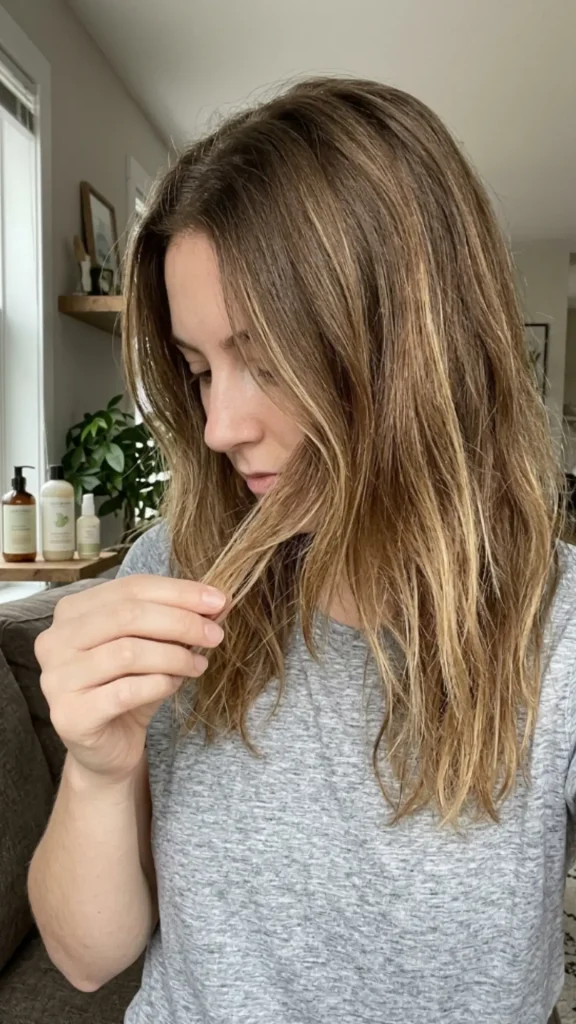
Frequent bleaching, coloring, perming, or relaxing treatments can weaken hair strands and increase breakage. While these treatments can change the look of your hair, repeated exposure may damage the protective outer layer of the hair shaft.
Giving your hair time to recover between treatments allows it to regain strength. Using nourishing masks and gentle products can also help repair minor damage.
If your goal is longer hair, reducing harsh chemical treatments may be one of the most helpful adjustments you can make.
16. Add Healthy Fats to Your Diet

Healthy fats support scalp hydration and overall cell health. Foods rich in omega-3 fatty acids, such as salmon, walnuts, chia seeds, and flaxseeds, help nourish hair follicles and reduce inflammation.
These fats also contribute to natural shine and elasticity in hair strands. When the scalp receives proper nourishment, follicles can function more efficiently.
Including healthy fats in meals several times a week is a simple way to support both skin and hair health. Nutrition-based hair care natural remedies like this often make a noticeable difference over time.
17. Brush Gently and Carefully
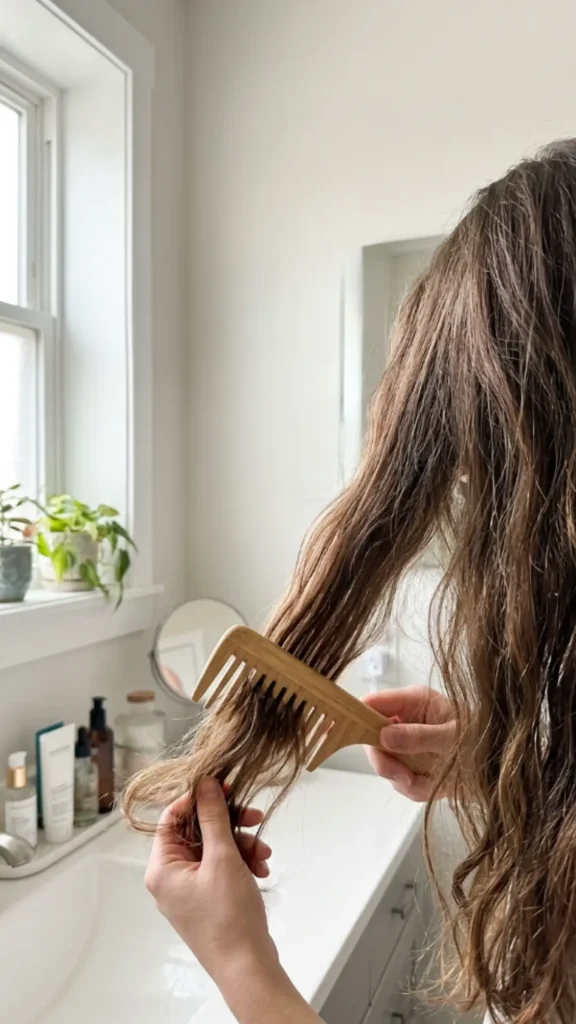
Brushing too aggressively can cause unnecessary breakage, especially when hair is wet and more fragile. Using a wide-tooth comb or detangling brush helps remove knots without pulling on the strands.
Start detangling from the ends and slowly work your way upward to avoid snapping hair. Being patient with this process helps preserve the length you’re trying to grow.
Gentle hair care habits like careful brushing may seem small, but they play a big role in maintaining healthy, growing hair.
18. Avoid Smoking
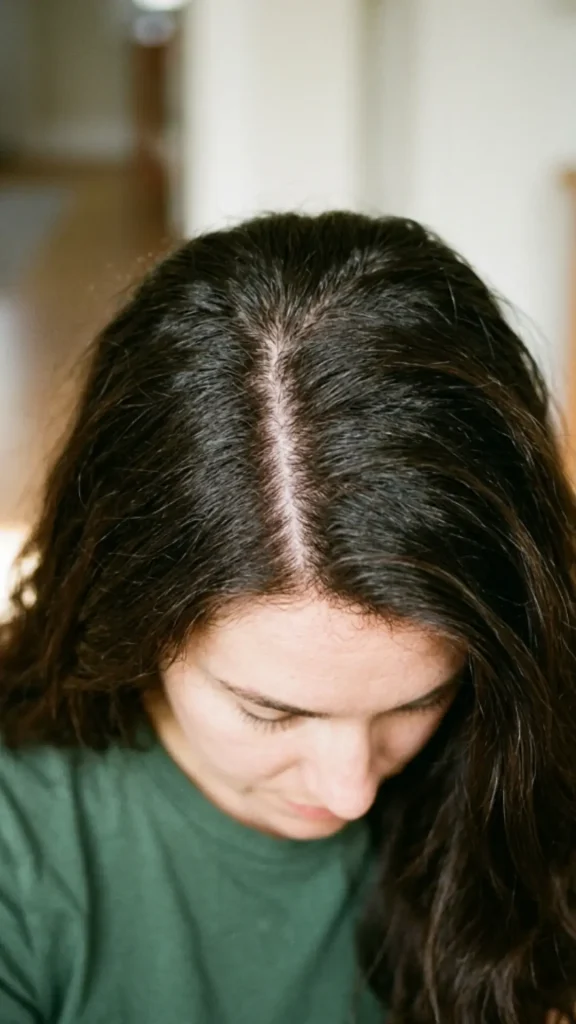
Smoking affects circulation throughout the body, including the scalp. Reduced blood flow means fewer nutrients reach the hair follicles, which may contribute to hair thinning.
Toxins in cigarette smoke can also damage cells responsible for hair growth. Quitting smoking benefits many aspects of health, including skin and hair quality.
When circulation improves, follicles can function more efficiently. Lifestyle changes like this are often overlooked but can be powerful growth hair tips that support stronger hair over time.
19. Try Hot Oil Treatments

Hot oil treatments are a traditional remedy for strengthening dry or damaged hair. Warm oils like coconut, olive, or castor oil are applied to the scalp and hair, then left on for about 20 to 30 minutes before washing.
The warmth helps oils penetrate the hair shaft, providing moisture and softness. This treatment can improve manageability and reduce breakage.
Many people rely on these hair growth homemade methods to maintain healthier strands without relying on chemical products.
20. Use Egg Yolk Hair Masks

Egg yolks are rich in protein, vitamins, and fatty acids that nourish hair strands. Mixing egg yolk with olive oil creates a simple mask that can strengthen dry or brittle hair.
Apply the mixture to damp hair, leave it on for about 20 minutes, then rinse with cool water and shampoo. This treatment helps restore moisture and elasticity.
Many people include egg masks in their hair care natural remedies routines because they provide nourishment using ingredients already found in the kitchen.
21. Practice Yoga or Inversion Poses

Certain yoga poses may help improve circulation to the scalp. Inversions like downward dog or gentle head-tilting poses encourage blood flow toward the head, which supports follicle health.
While yoga alone won’t dramatically speed up hair growth, it can contribute to better circulation and reduced stress. Combined with a balanced lifestyle, these habits support healthier hair over time.
Many people enjoy incorporating yoga into their quick hair growth routines because it benefits both mental well-being and physical health.
22. Try Microneedling the Scalp
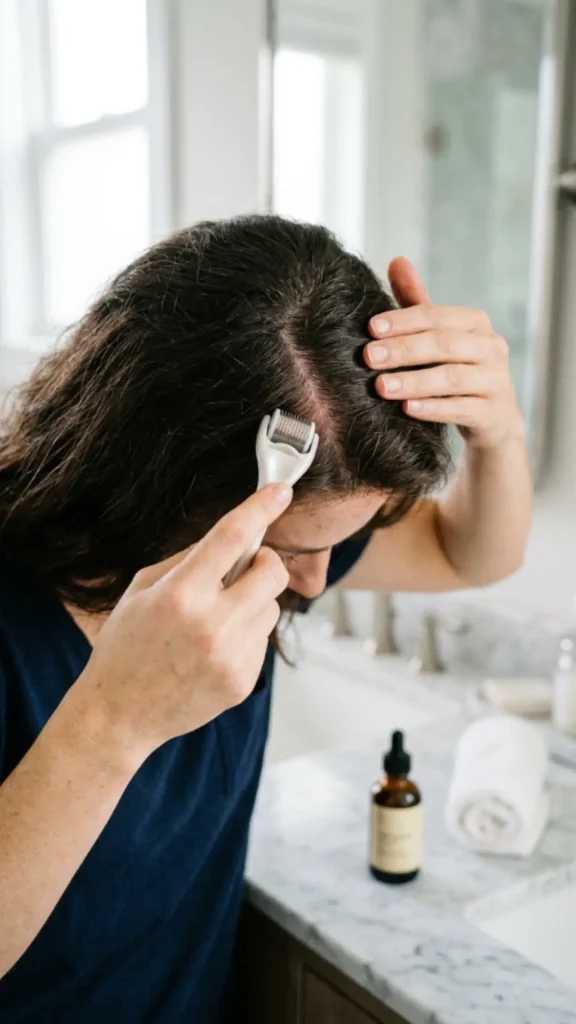
Microneedling involves using a small derma roller with fine needles to gently stimulate the scalp. This process can encourage collagen production and improve blood flow around hair follicles.
Some studies suggest it may enhance the effectiveness of topical treatments like minoxidil. Microneedling should be done carefully and with clean tools to avoid irritation.
When used properly, it can support healthier follicle activity. For people dealing with stubborn thinning, this technique may become a useful addition to their overall growth hair tips routine.
