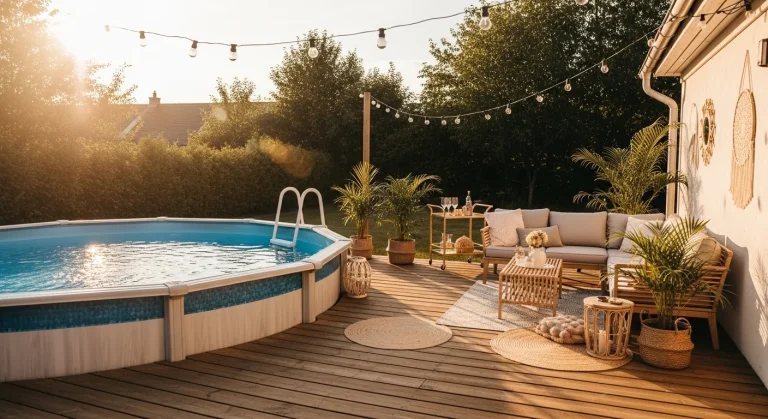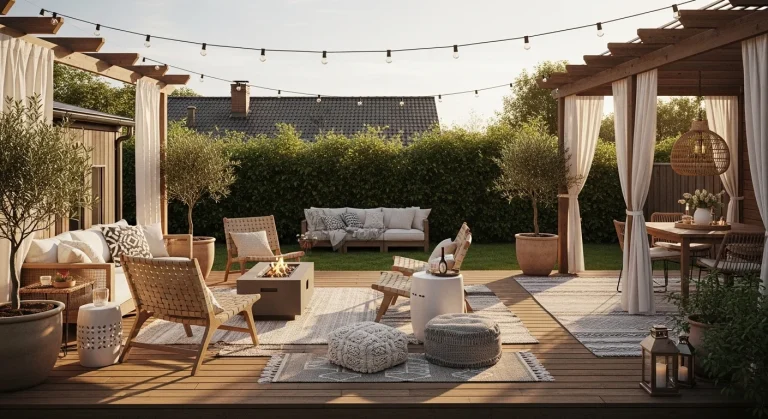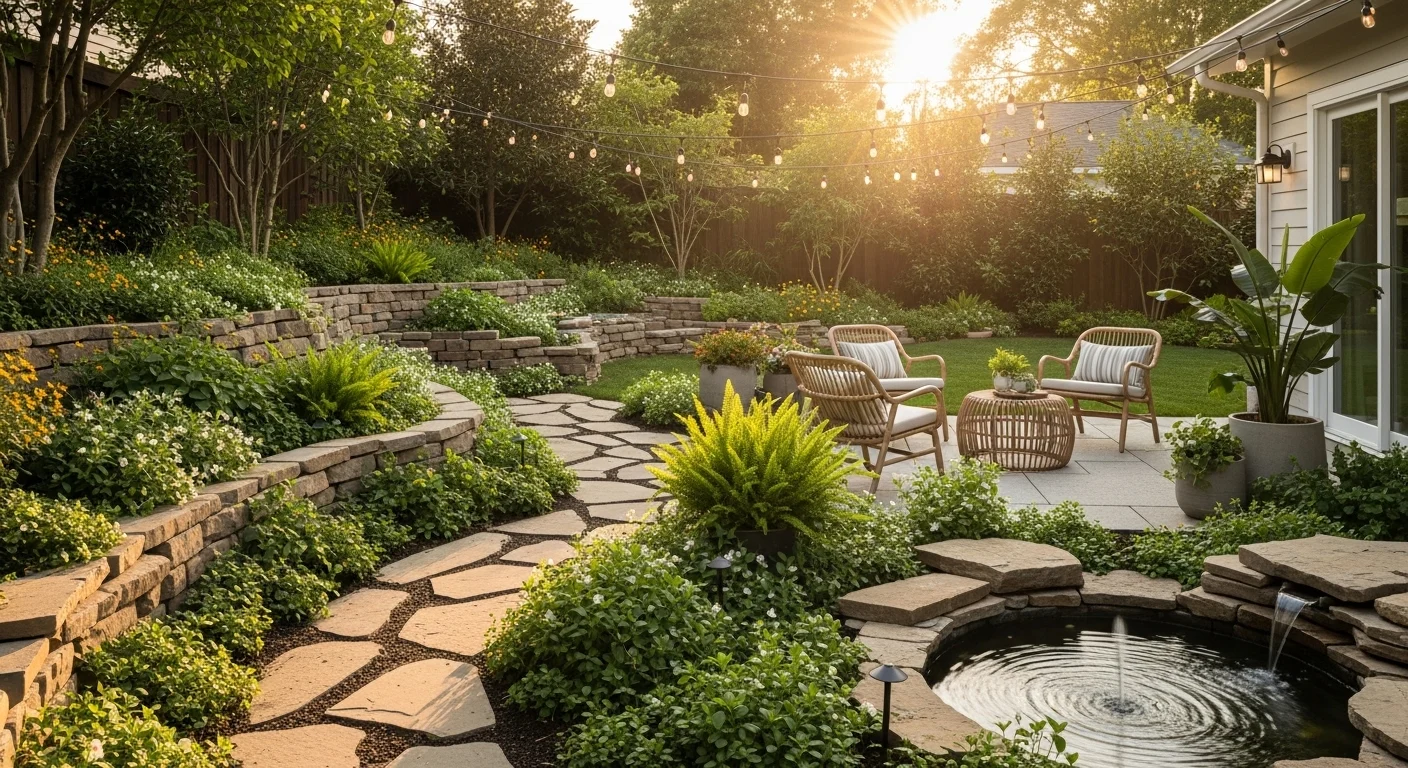
23 Landscape Ideas to Upgrade Your Outdoor Space

You probably stand at your back door and picture better use of the yard. Small corners feel empty and larger areas look like a blank canvas. The right landscape ideas to upgrade your outdoor space make those areas feel useful and inviting.
This list gathers 23 landscape ideas to upgrade your outdoor space so you can pick simple projects that match your time and budget. Each idea shows how a single change improves flow, comfort, or curb appeal. Read on to find planting, hardscaping, lighting, and styling ideas that fit your yard. Pin the ones you like and try one this weekend.
1. Layered Planting Beds
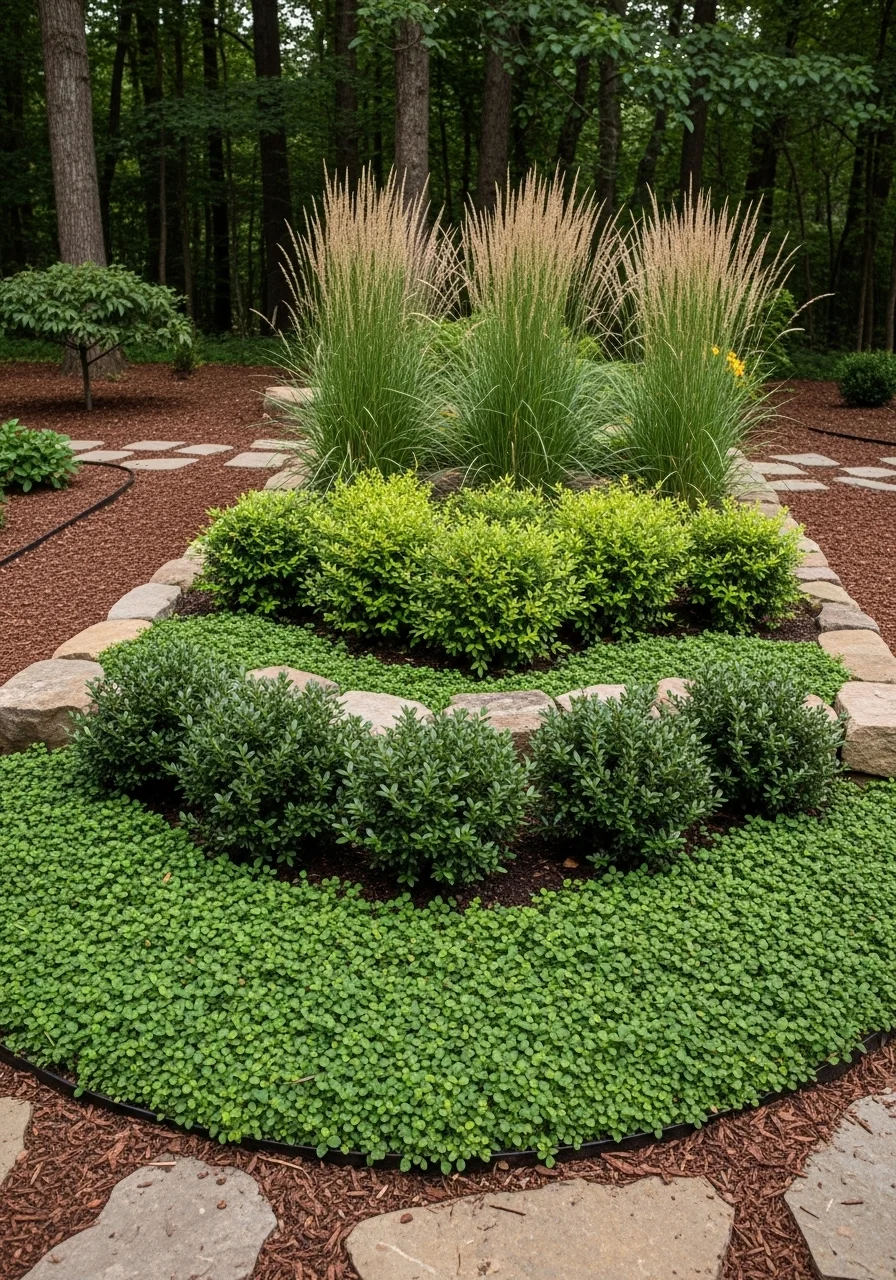
Layered planting beds create depth and texture with plants of varying heights and forms. You place low groundcover up front, medium-sized perennials in the middle, and taller shrubs or ornamental grasses at the back. This approach works along fences, borders, and around patios. The visual change is immediate: the garden reads like a composed scene rather than scattered plants. It also helps with seasonal interest because each layer can peak at different times. Layering makes your outdoor space feel fuller and more polished with minimal effort.
Why This Works
- Adds depth and dimension to flat beds
- Guides the eye through the yard
- Improves seasonal visual interest
- Hides soil and reduces weed visibility
Quick Tips
- Choose three height groups per bed
- Use odd-numbered plant groupings
- Add mulch for contrast and moisture retention
- Repeat colors to create flow
- Place taller plants where they won’t block views
2. Curved Pathways with Stepping Stones
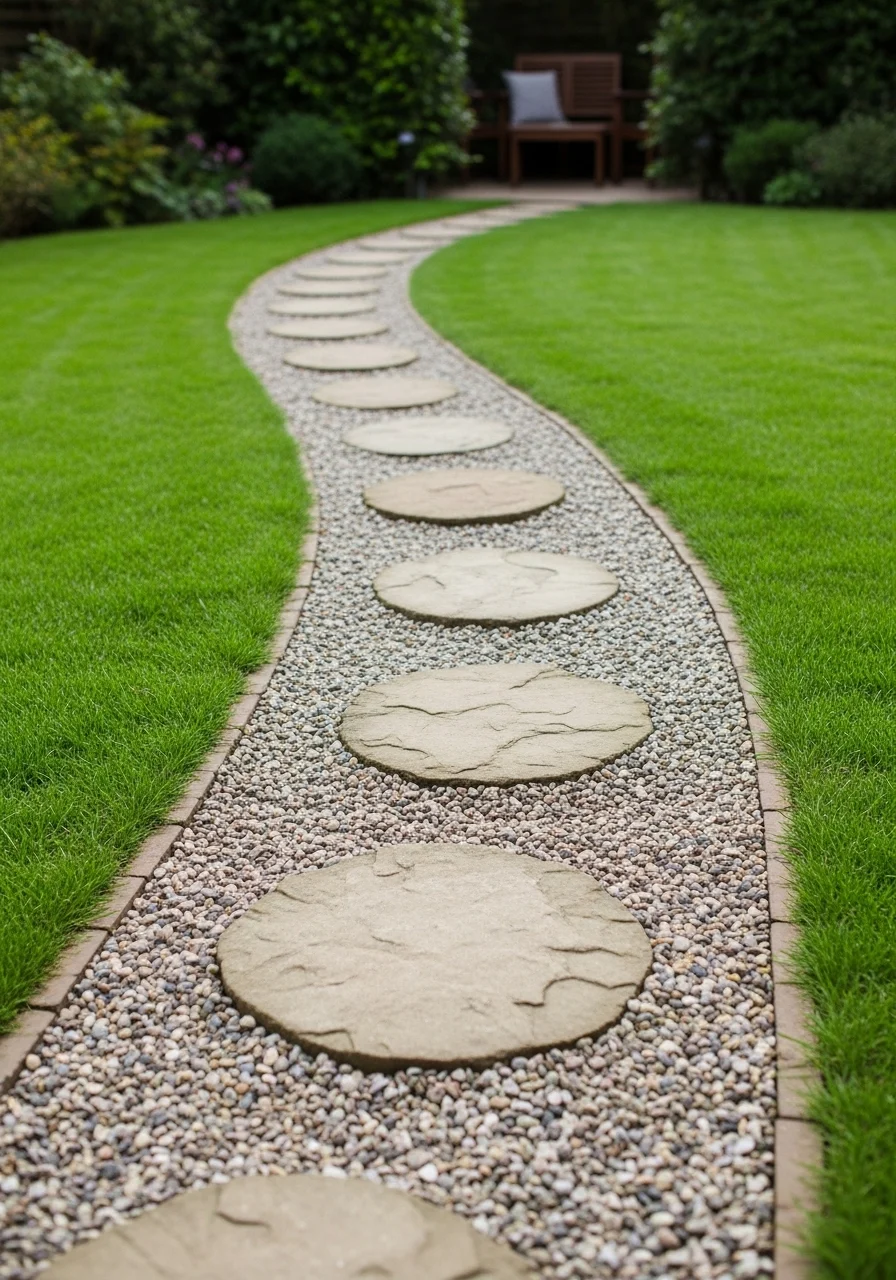
Curved pathways soften rigid lines and invite exploration. Lay stepping stones through lawn or gravel to create a gentle meander instead of a straight route. Paths work between garden areas, to a fire pit, or linking patio and gate. A curve increases perceived yard size and adds a casual, handcrafted feel. They also slow movement so you notice plantings and views. Installing a curved path is an easy way to direct flow and give your outdoor space a relaxed, intentional layout.
Why This Works
- Makes small yards feel larger
- Directs movement without heavy construction
- Adds organic shapes against rigid structures
- Encourages slower, enjoyable walks
Quick Tips
- Follow natural sightlines for curves
- Use compacted base under stones
- Fill gaps with gravel or low groundcover
- Vary stone sizes for a natural look
- Edge with low plants to frame the path
3. Multi-Level Raised Planters
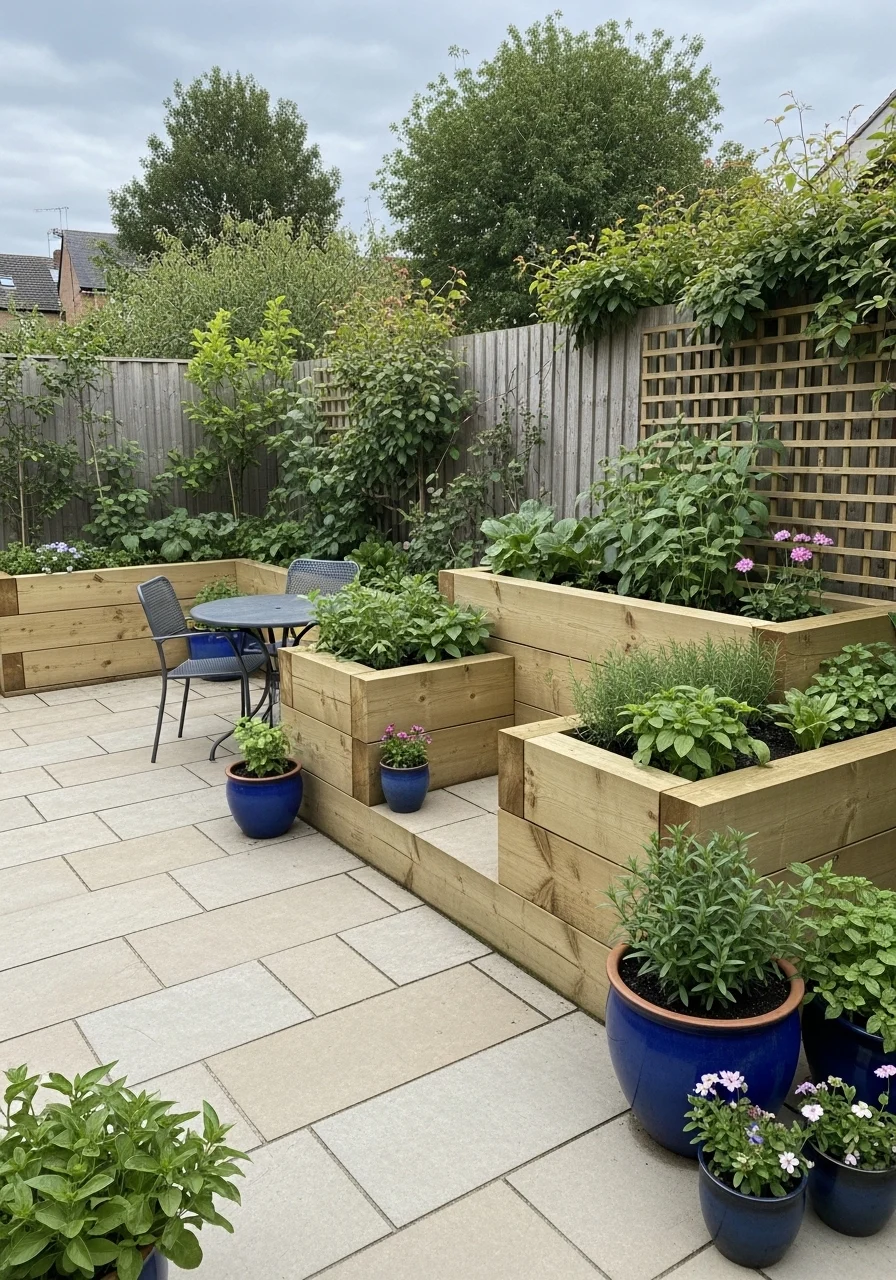
Multi-level raised planters add vertical interest and expand growing space. Stack or stagger planters on a patio, slope, or balcony to create steps of greenery. They suit herbs, vegetables, or decorative plants and make gardening easier by raising beds to a comfortable height. Visually, stacked planters break up horizontal surfaces and introduce rhythm. They also improve drainage and soil control. Use them to define areas, screen a view, or create a compact kitchen garden. Installation is simple and yields quick visual payoff.
Why This Works
- Maximizes planting area in compact yards
- Adds clear structure and rhythm
- Easier planting and maintenance
- Improves soil and drainage control
Quick Tips
- Use rot-resistant wood or composite
- Line with landscape fabric to extend life
- Mix edibles and ornamentals for interest
- Stagger heights for a natural composition
- Position for sun needs of plants
4. Native Wildflower Meadow Patch
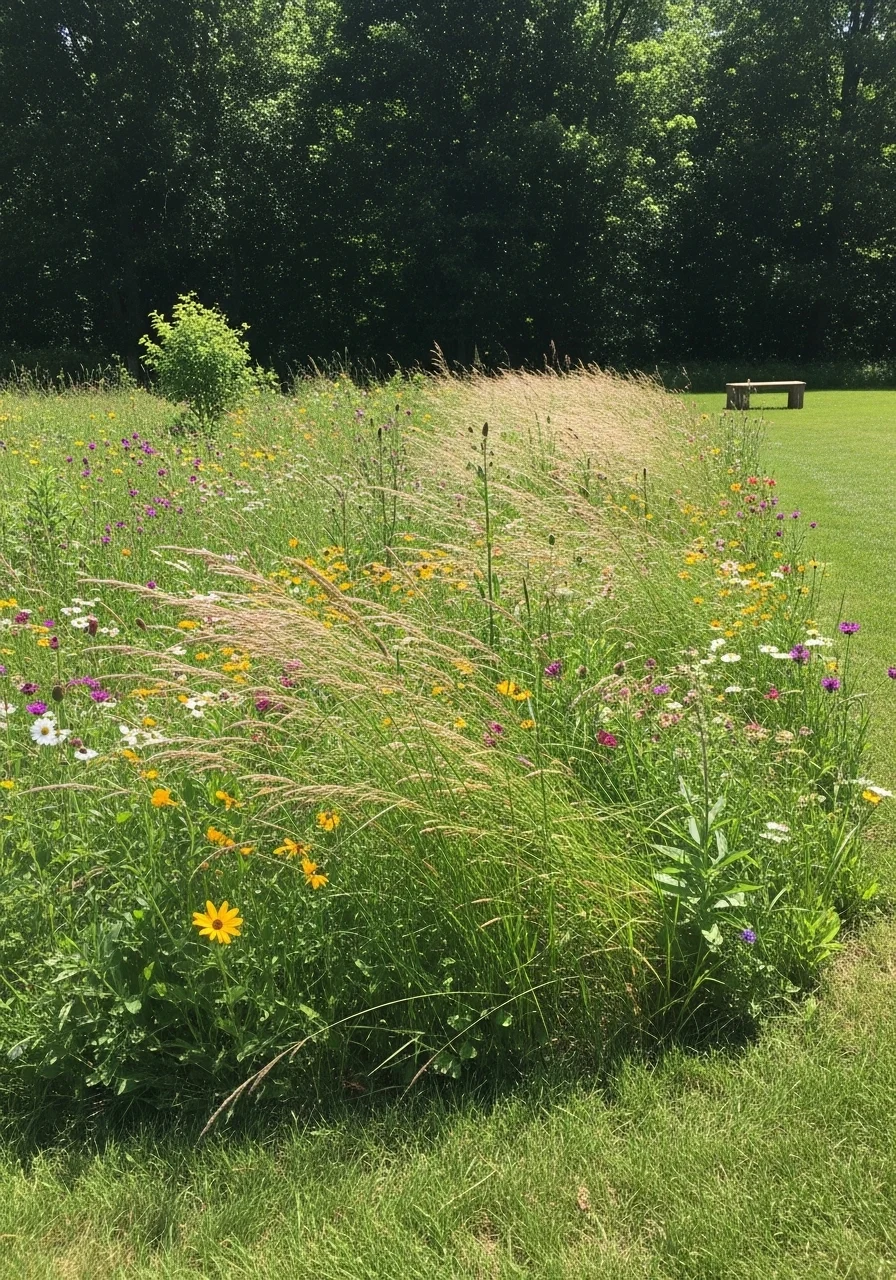
A native wildflower meadow patch brings a natural, low-input planting to your yard. Plant a small area with region-appropriate wildflowers and grasses. The mix attracts pollinators and requires less water once established. It creates a relaxed, textured look that contrasts with manicured lawn. You gain seasonal color and movement without intense upkeep. Use it along boundaries or in a slope where mowing is hard. A meadow patch softens hard edges and supports local wildlife while giving your outdoor space a natural, casual character.
Why This Works
- Supports pollinators and wildlife
- Cuts ongoing maintenance and watering
- Adds seasonal color and texture
- Great for awkward or sloped areas
Quick Tips
- Pick locally native seed mixes
- Prepare the soil by removing turf
- Sow in fall or early spring
- Mow once a year to control vigor
- Add a simple edge to define the patch
5. Drought-Tolerant Rock Garden
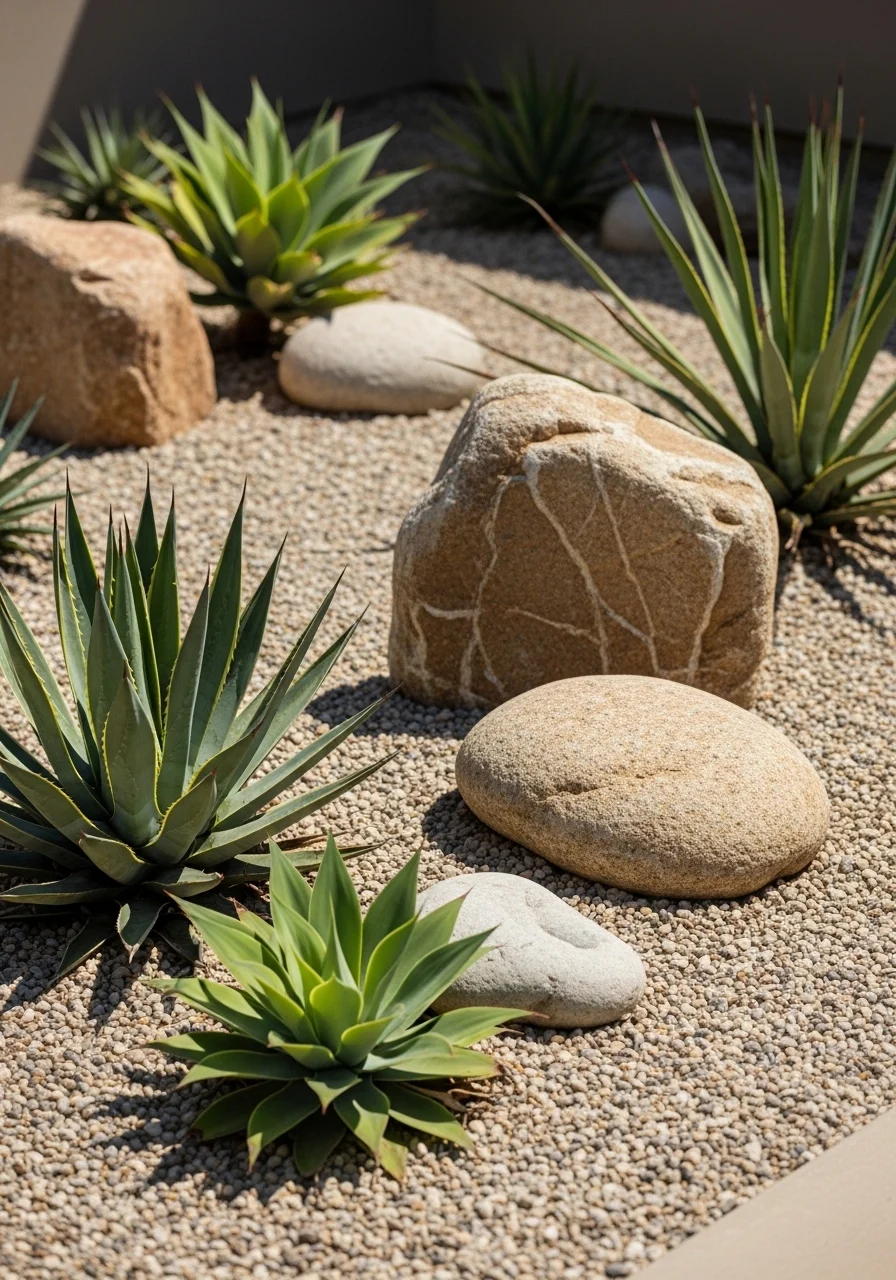
A drought-tolerant rock garden reduces water use and adds sculptural interest. Use gravel, boulders, and low-water plants like succulents, yucca, and sedums. Rock elements provide contrast and a tidy, modern aesthetic. This fits sunny slopes, front yards, or low-maintenance side yards. Functionally, it prevents erosion and limits weed growth. You get a clean, architectural look that stays attractive year-round with very little watering. It’s ideal if you want striking visuals and lower garden chores in hot, dry climates.
Why This Works
- Low water and low maintenance
- Provides strong architectural shapes
- Prevents erosion on slopes
- Keeps neat appearance all year
Quick Tips
- Place larger rocks first for scale
- Use coarse gravel for drainage
- Group plants in odd numbers
- Add a contrasting focal plant
- Use weed barrier under gravel
6. Cozy Fire Pit Circle
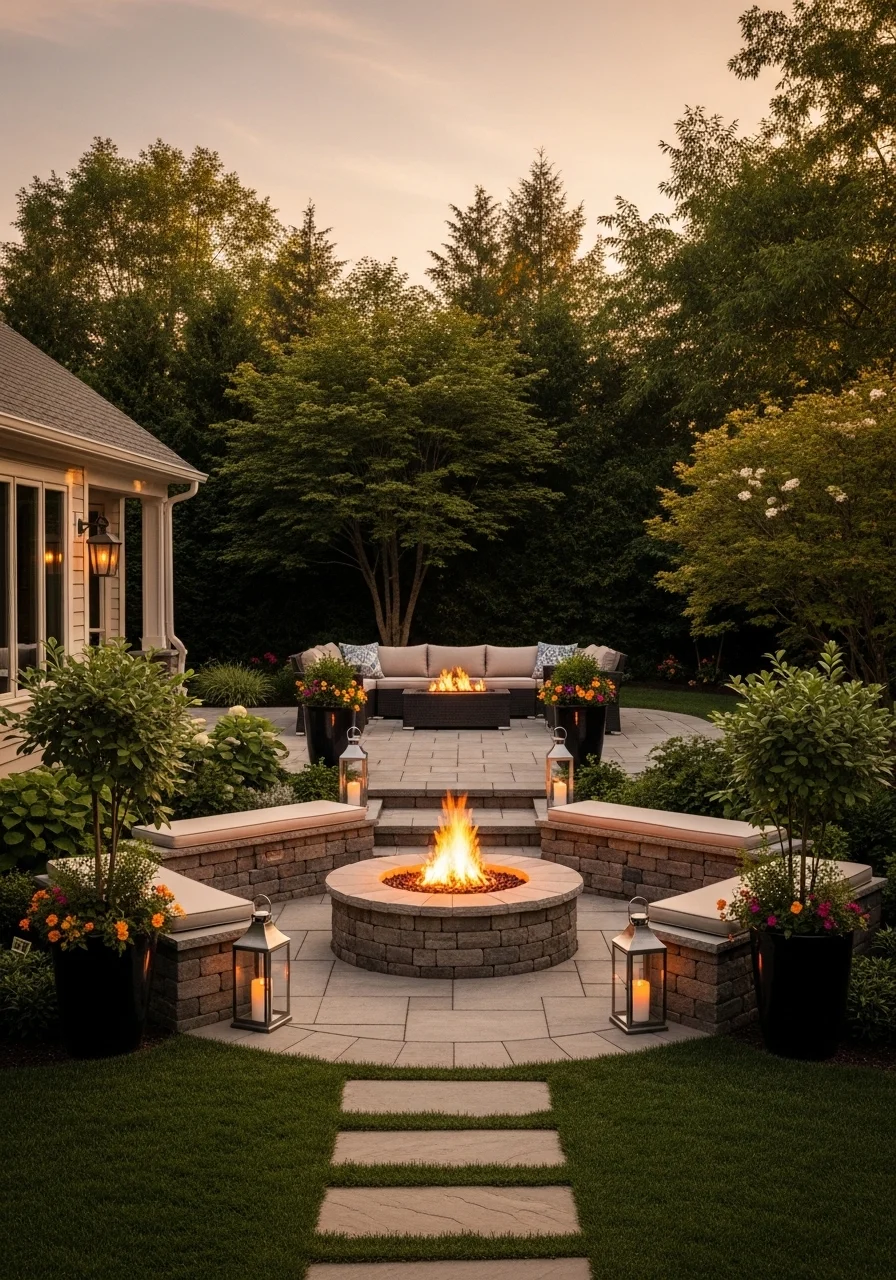
A cozy fire pit circle creates a dedicated gathering spot in your yard. Use stone or metal fire rings with seating around for casual conversation. Place it on gravel or a paved pad away from structures. The fire pit draws people outdoors in cooler evenings and extends use of the yard. Visually, it anchors the landscape and forms a central focal point. You can style seating with cushions and throws for comfort. Install simple lighting and a nearby plant screen for privacy to complete the space.
Why This Works
- Creates a focal social space
- Extends outdoor use into cooler months
- Defines an intimate area in the yard
- Easy to style with seating and textiles
Quick Tips
- Follow local fire regulations
- Use heat-resistant base materials
- Keep seating at safe distance
- Add built-in log storage for convenience
- Include a fire-safe pathway to the pit
7. Built-In Bench Seating
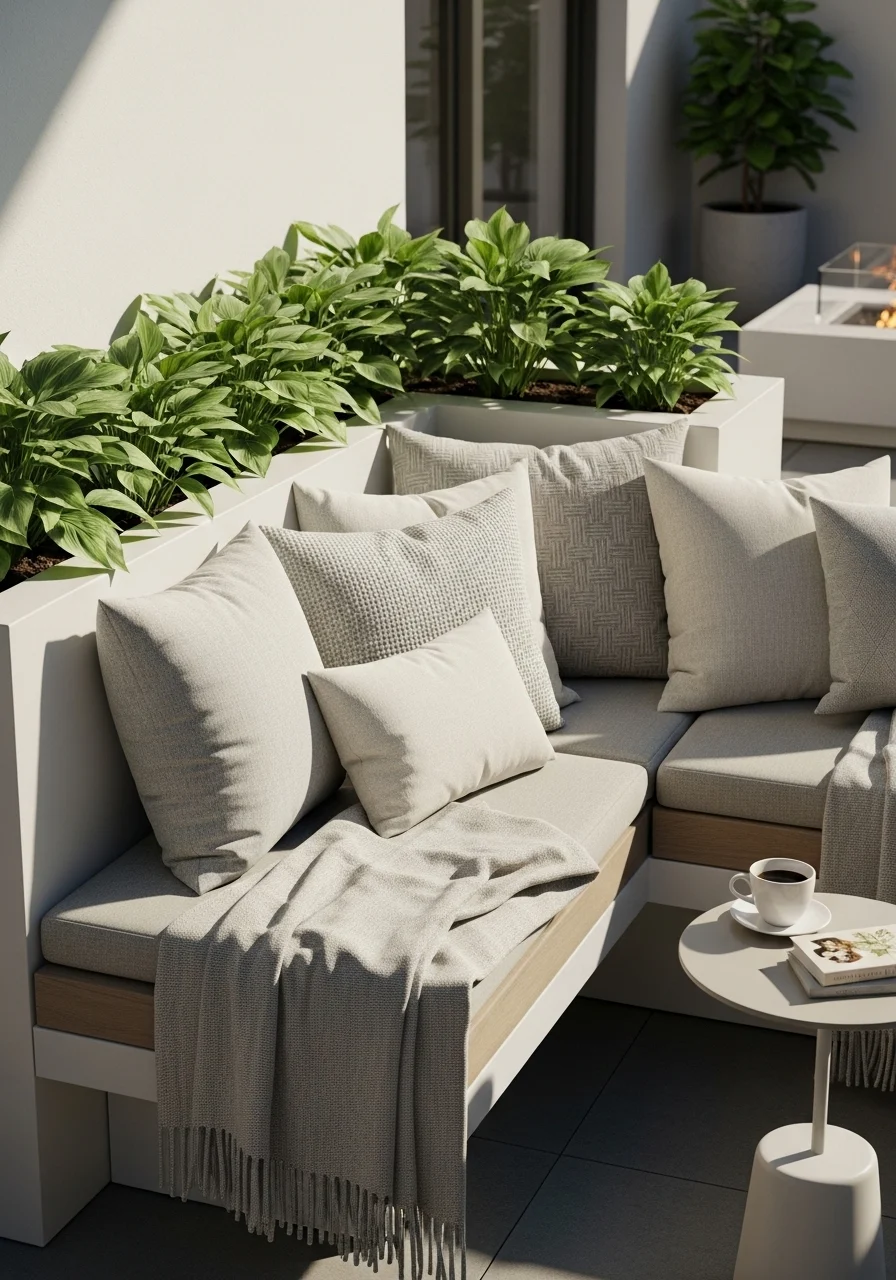
Built-in bench seating makes use of corners and edges while providing permanent seating. Construct benches from wood, stone, or composite and integrate planters or storage beneath. This idea suits patios, decks, and along retaining walls. It creates a tidy, cohesive look and reduces the need for movable furniture. The visual impact is a curated, intentional space that feels part of the landscape design. Functionally, built-ins anchor gatherings and free up floor area for other activities. Cushions and pillows add comfort and seasonal color.
Why This Works
- Optimizes use of corners and narrow spaces
- Creates permanent, clutter-free seating
- Integrates storage and planters for function
- Provides a cohesive architectural look
Quick Tips
- Choose weather-resistant materials
- Add removable cushions for easy cleaning
- Include low planter boxes for softness
- Ensure comfortable seat depth
- Consider hidden storage under seats
8. Vertical Garden Wall
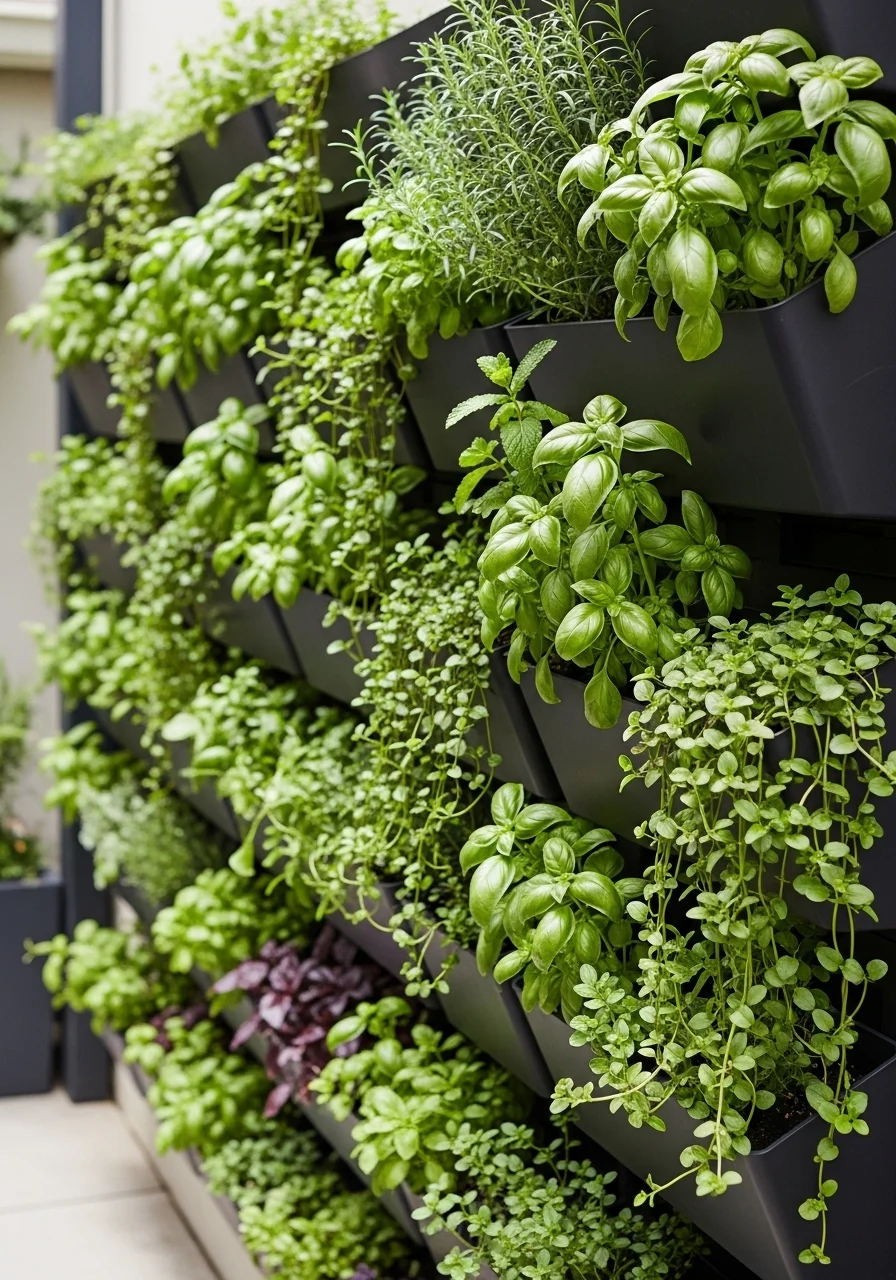
A vertical garden wall turns blank walls into lush, space-saving planting areas. Use pocket planters, modular panels, or trellises for vines and herbs. This works well on patios, balconies, or fences where horizontal space is limited. The vertical greenery adds visual richness and helps cool and soften hard surfaces. It also brings plants closer to eye level, making them easier to tend. Vertical gardens deliver high impact in small yards and create privacy without taking floor space.
Why This Works
- Adds greenery in tight spaces
- Creates living art on vertical surfaces
- Provides privacy and sound absorption
- Makes maintenance easier at standing height
Quick Tips
- Use lightweight, moisture-retentive mediums
- Install drip irrigation for consistent watering
- Select plants with similar water needs
- Anchor panels securely to the wall
- Rotate plants seasonally for freshness
9. String Lights Over Patio
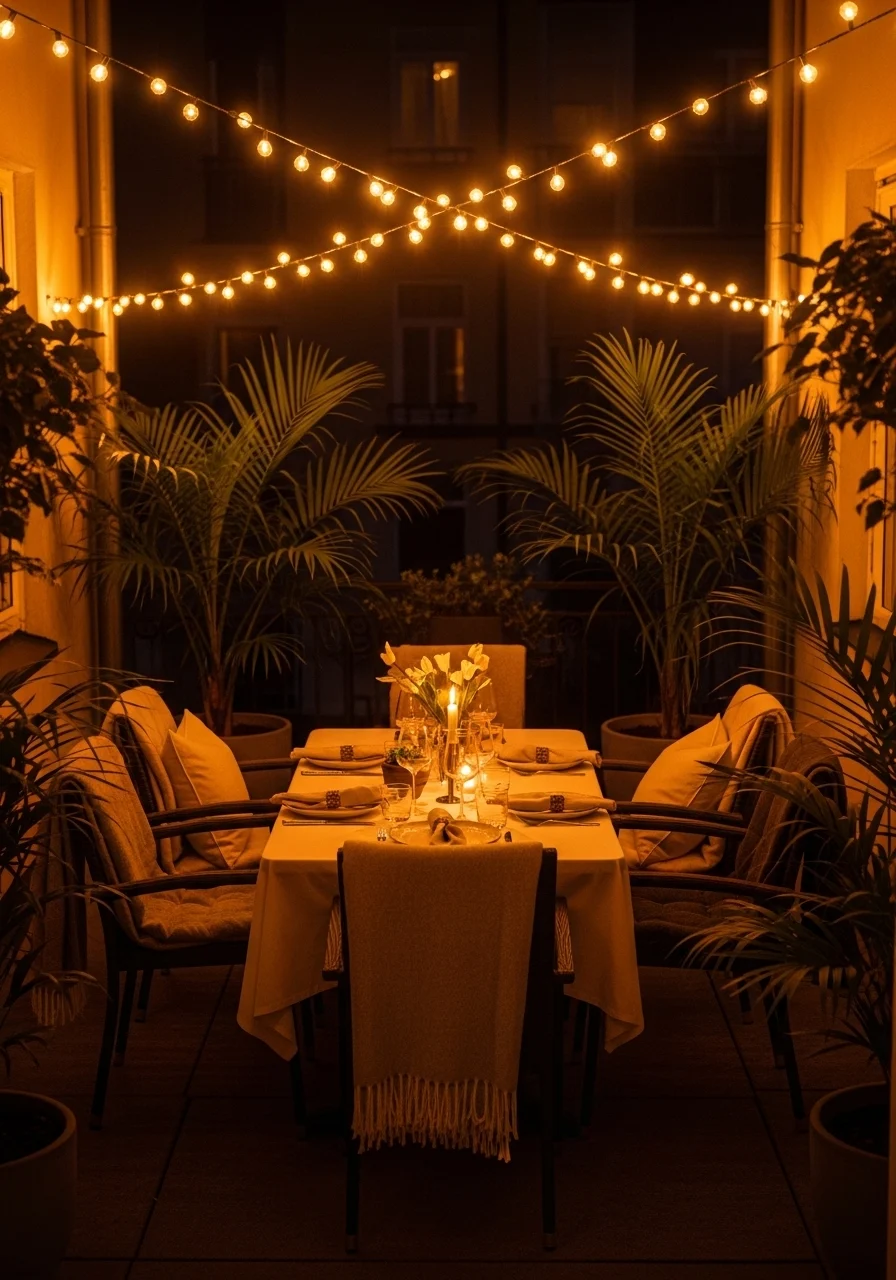
String lights create instant charm and usable evening light across patios and seating areas. Hang lines across a pergola, between trees, or from wall to pole to form a canopy. They soften the space and extend outdoor hours without harsh glare. Functionally, string lights help define zones and improve safety along pathways. The look ranges from festive to refined depending on bulb style. Adding dimmers or smart plugs gives you control over mood and energy use. This is one of the quickest ways to change ambiance.
Why This Works
- Extends usable time after sunset
- Defines outdoor zones visually
- Adds soft, inviting ambient light
- Quick and affordable impact
Quick Tips
- String lights on adjustable tension wire
- Use outdoor-rated bulbs and sockets
- Add a dimmer or smart plug for control
- Hang at varying heights for depth
- Secure connections against weather
10. Water Feature Focal Point
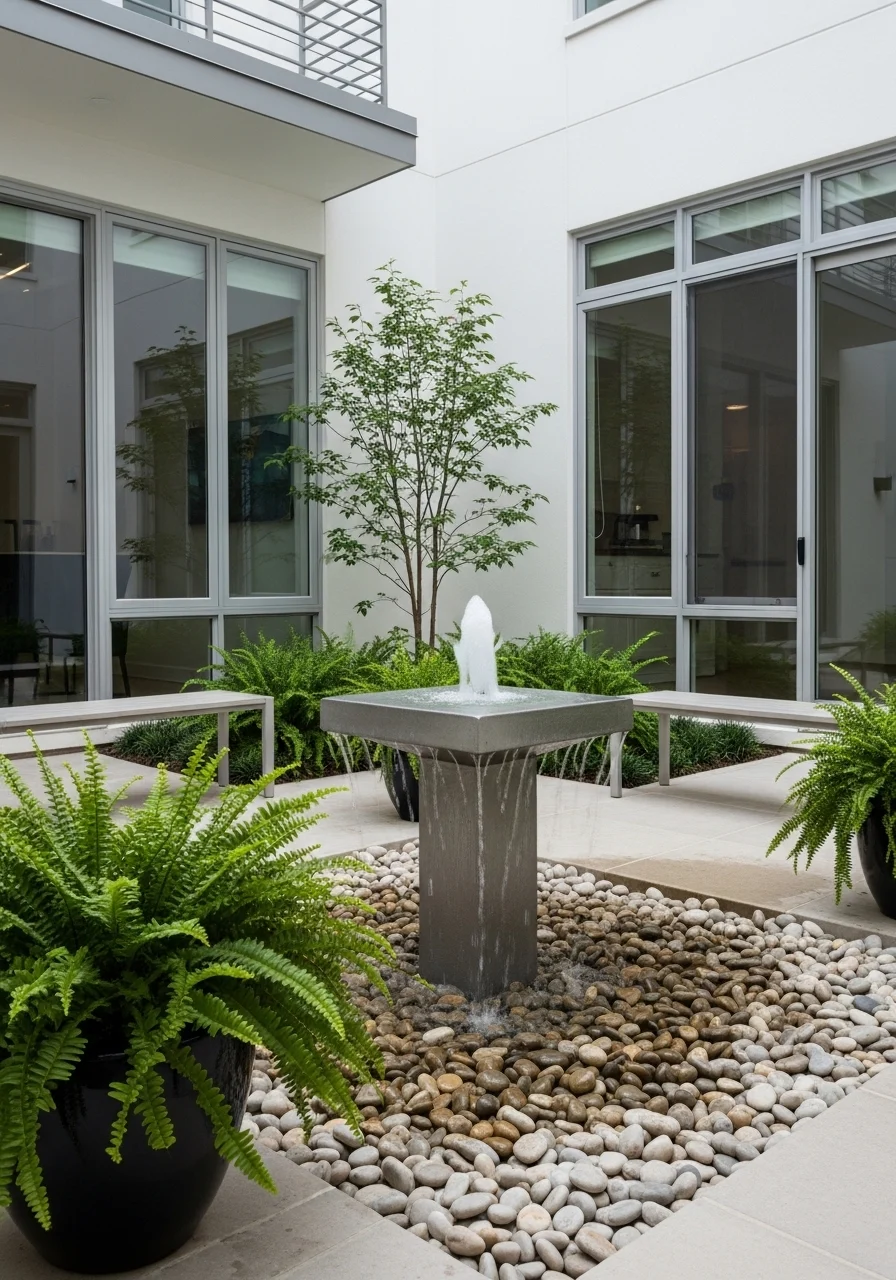
A water feature creates a peaceful focal point that masks noise and draws the eye. Choose a fountain, pond, or bubbling rock depending on scale and style. Position it where you want to slow down and enjoy sound and movement. Water features add sensory depth and a cooling effect on hot days. They also encourage wildlife visits and make seating areas feel more private. Plan for easy access for cleaning and a hidden pump line. A single water feature can anchor the layout and lift the overall landscape design.
Why This Works
- Introduces sound to mask street noise
- Adds movement and reflective qualities
- Attracts birds and beneficial wildlife
- Serves as a strong visual anchor
Quick Tips
- Size feature to fit the space proportionally
- Use energy-efficient pump and timer
- Plan access for seasonal maintenance
- Add surrounding plants for softer edges
- Consider solar options for small fountains
11. Mixed-Use Pergola
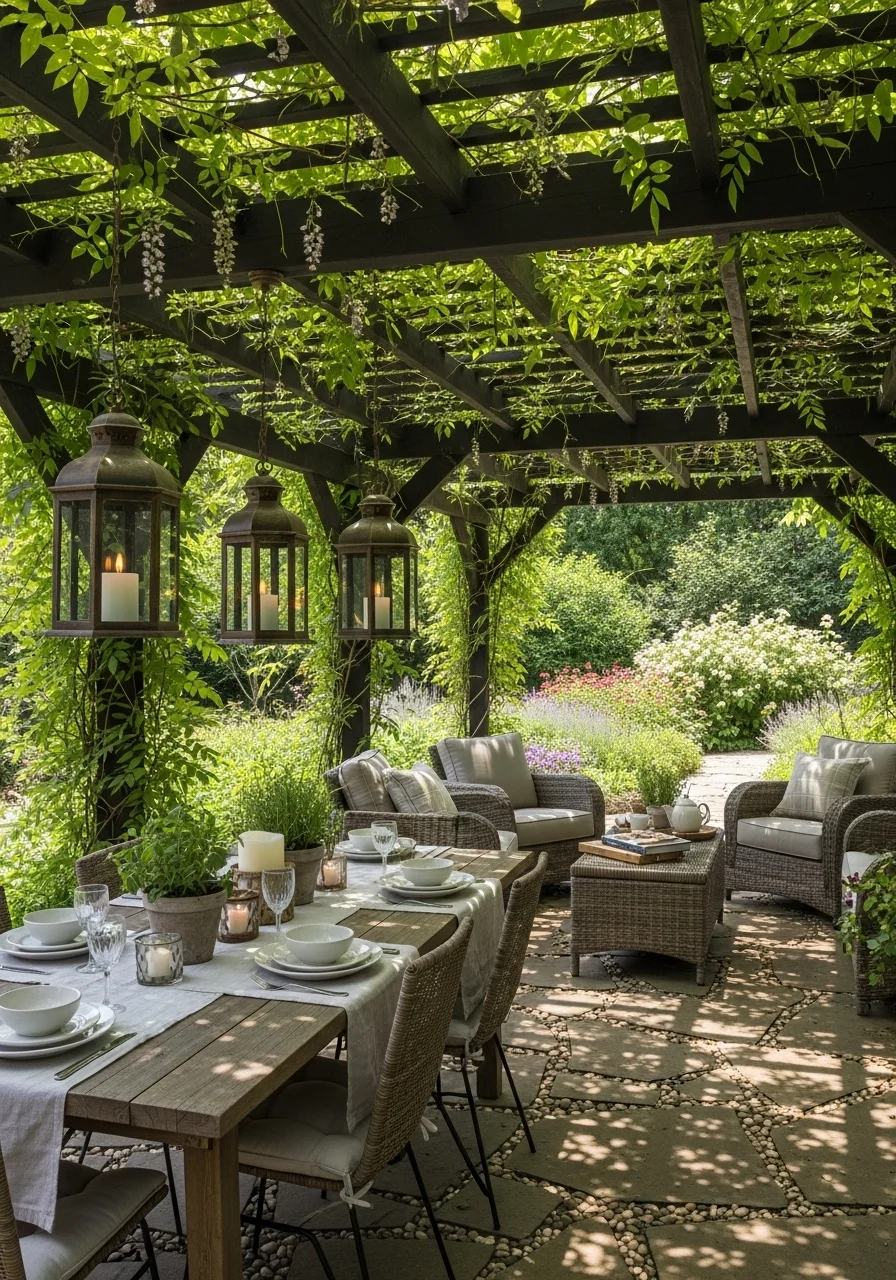
A mixed-use pergola creates a sheltered outdoor room for dining and lounging. Add climbing vines or a retractable canopy for shade and privacy. Include separate zones underneath for a table and lounge seating. Pergolas provide vertical structure and architectural interest without enclosing the space. They help define a primary gathering area and support lighting and hanging planters. The result feels like an extension of indoor living. A well-planned pergola makes your outdoor space more usable across seasons.
Why This Works
- Creates a defined outdoor room
- Supports climbing plants and lighting
- Offers shade without full enclosure
- Enhances architecture and vertical interest
Quick Tips
- Orient for seasonal sun angle
- Add cross beams for hanging lights
- Use rot-resistant materials
- Include comfortable, weatherproof furniture
- Consider a retractable canopy for flexibility
12. Edible Herb Border
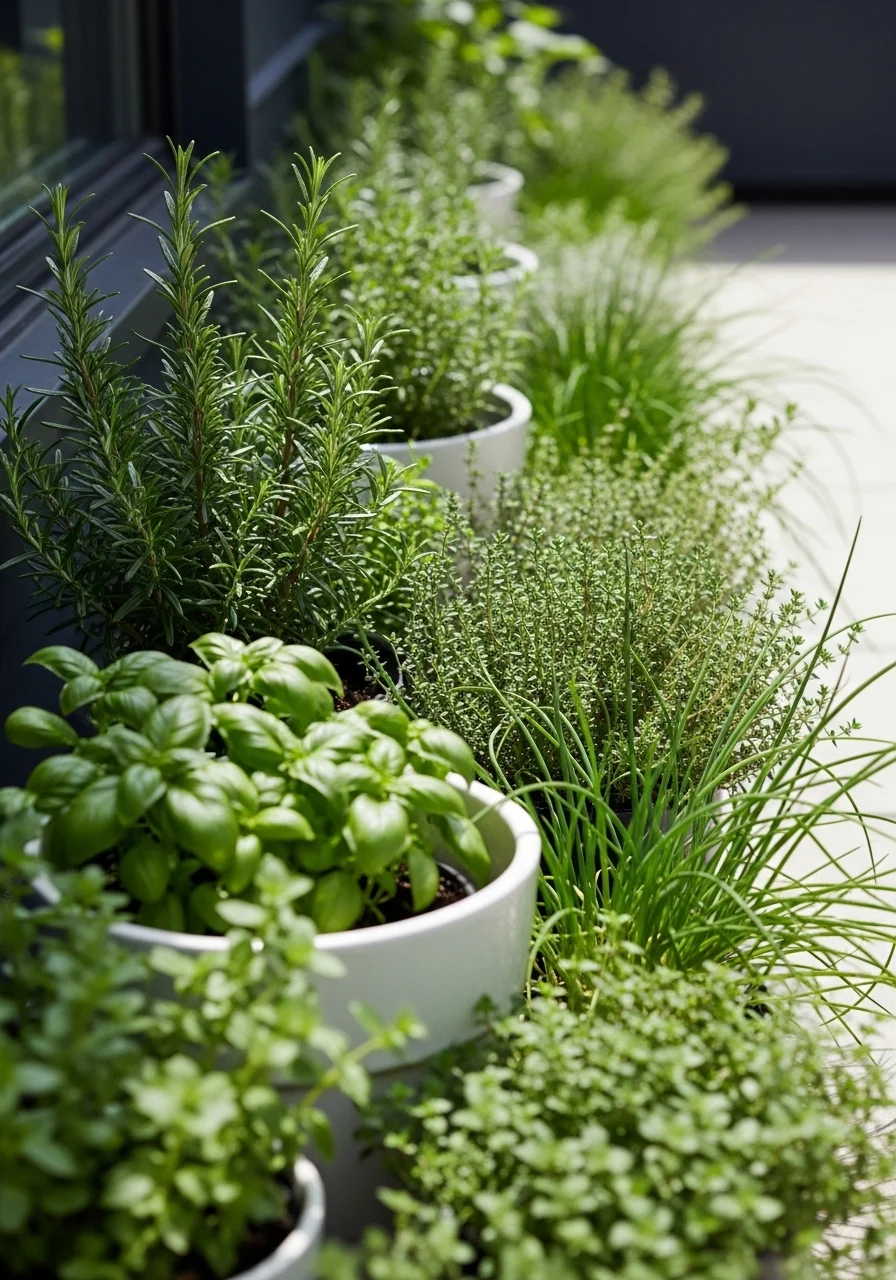
An edible herb border brings function and fragrance to pathways and patio edges. Plant herbs in a continuous strip near your kitchen door or outdoor prep area. This layout gives quick access to fresh flavors for cooking and creates a tidy, scented edge that complements ornamental plantings. Herbs also offer low-maintenance greenery and seasonal blooms. Visual change is a purposeful, productive border that looks intentional. The herb border supports culinary needs and reduces trips to the grocery store while beautifying everyday outdoor routines.
Why This Works
- Provides fresh herbs at arm’s reach
- Adds scent and small blooms to borders
- Requires minimal space and maintenance
- Blends utility with pleasing edges
Quick Tips
- Group herbs by water needs
- Use raised soil for better drainage
- Trim regularly to encourage growth
- Add small labels for guests
- Plant perennials where possible
13. Gravel and Grass Contrast
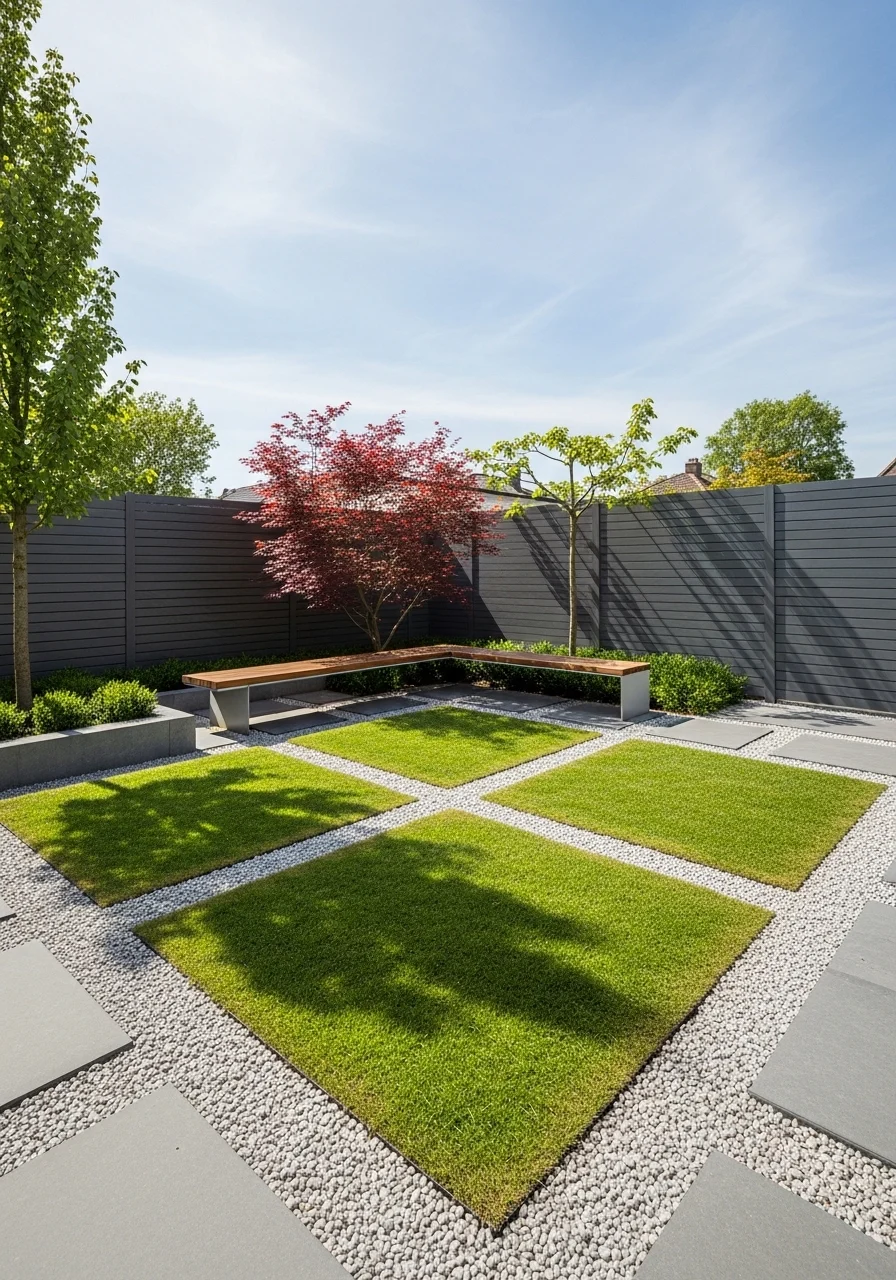
Combining gravel and grass creates crisp contrast and clear zones. Use gravel for walkways or sitting areas and grass for play and visual green. The hard-soft mix adds texture and reduces the area that needs mowing. It also improves drainage and gives a modern, clean-lined look. Gravel can frame lawn shapes or form patterns for style. The result is a low-fuss yard that reads as designed rather than random. This approach suits contemporary homes and helps define functional outdoor areas.
Why This Works
- Reduces lawn maintenance area
- Introduces contrasting textures and colors
- Improves drainage in key spots
- Creates strong modern geometry
Quick Tips
- Install proper edging between materials
- Choose drought-tolerant grass varieties
- Use crushed rock for stable walking surfaces
- Combine with stepping pavers for interest
- Keep gravel depth consistent to avoid shifting
14. Sculptural Container Grouping
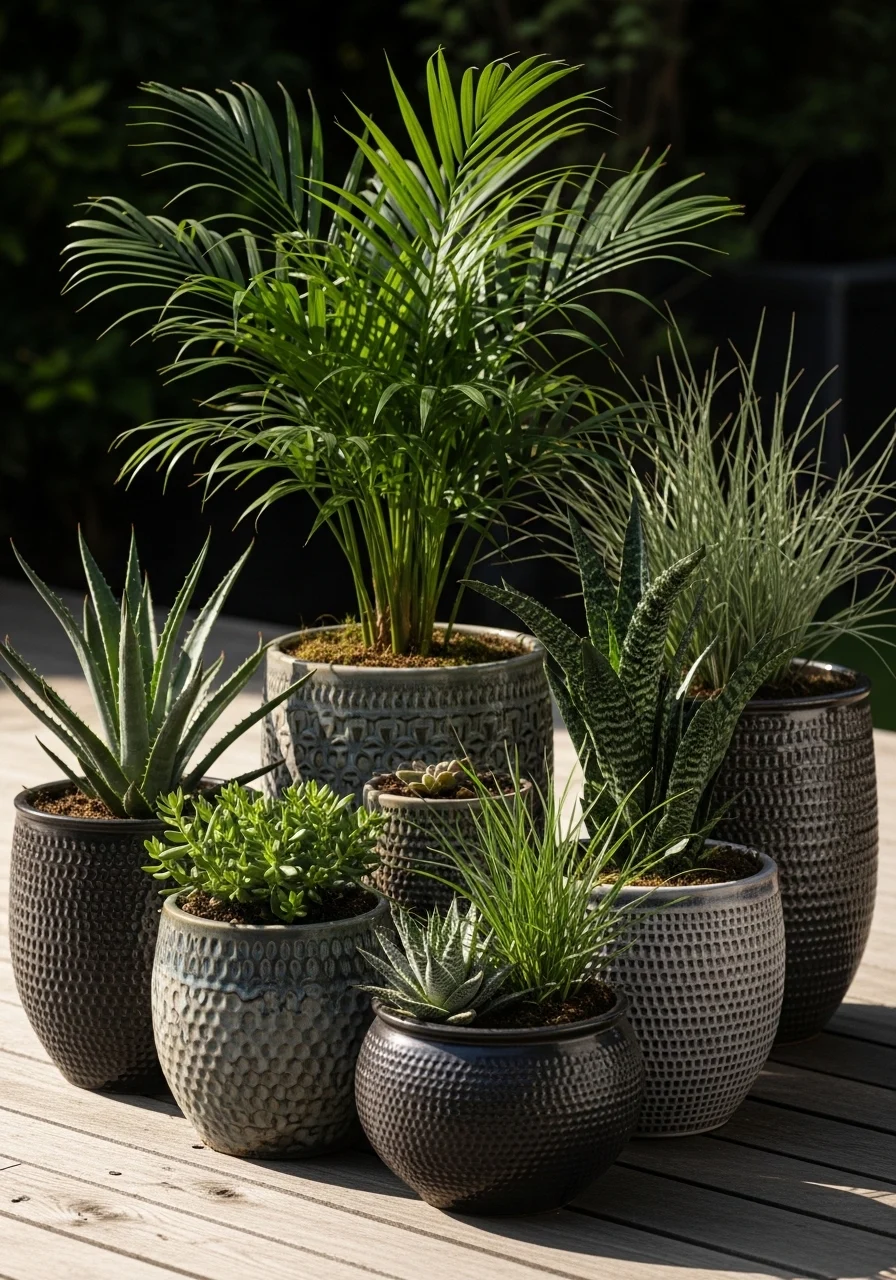
Sculptural container groupings create instant focal points with flexible placement. Combine pots of different heights, textures, and sizes in odd-numbered clusters. Containers allow seasonal swaps and concentrate plants where soil is poor. They’re ideal for patios, entryways, and stair landings. Visually, layered pots add sculptural form and color without permanent planting. Groupings are perfect for renters or those who like to change looks often. With the right composition, containers read like outdoor artwork you can move and tweak.
Why This Works
- Offers flexible styling and mobility
- Adds instant height and depth to flat areas
- Allows seasonal or fast changes
- Works where permanent planting isn’t possible
Quick Tips
- Use pots with similar color palette for cohesion
- Vary heights and textures for interest
- Plant in groups of three or five
- Ensure adequate drainage in containers
- Rotate plants for even growth and light exposure
15. Outdoor Rug and Lounge Zone
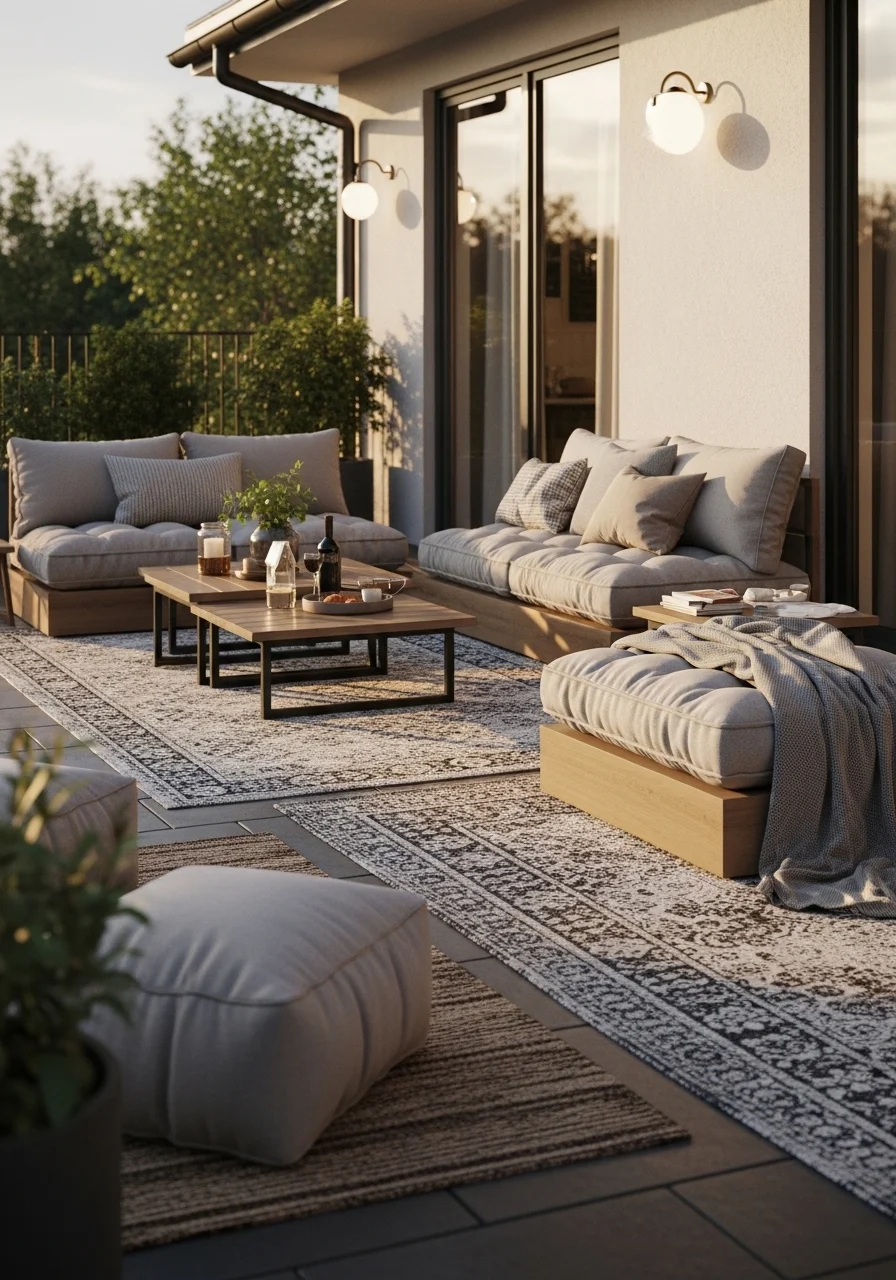
An outdoor rug anchors seating and gives the patio an indoor-finished feel. Place a durable, weatherproof rug under a seating arrangement to define the lounge zone. Rugs add color and pattern while protecting decking and reducing noise. This styling idea makes outdoor furniture feel intentional and comfortable. It’s an easy way to create a cozy living area outdoors without building structures. Layer with cushions and side tables to complete the space and invite longer stays outside.
Why This Works
- Defines seating areas visually
- Adds color, pattern, and warmth
- Protects surfaces and reduces noise
- Makes outdoor furniture feel finished
Quick Tips
- Choose UV-resistant, quick-dry rugs
- Anchor rugs with furniture to prevent movement
- Layer smaller rugs for texture
- Match rug scale to furniture grouping
- Clean regularly to extend life
16. Privacy with Bamboo Screens
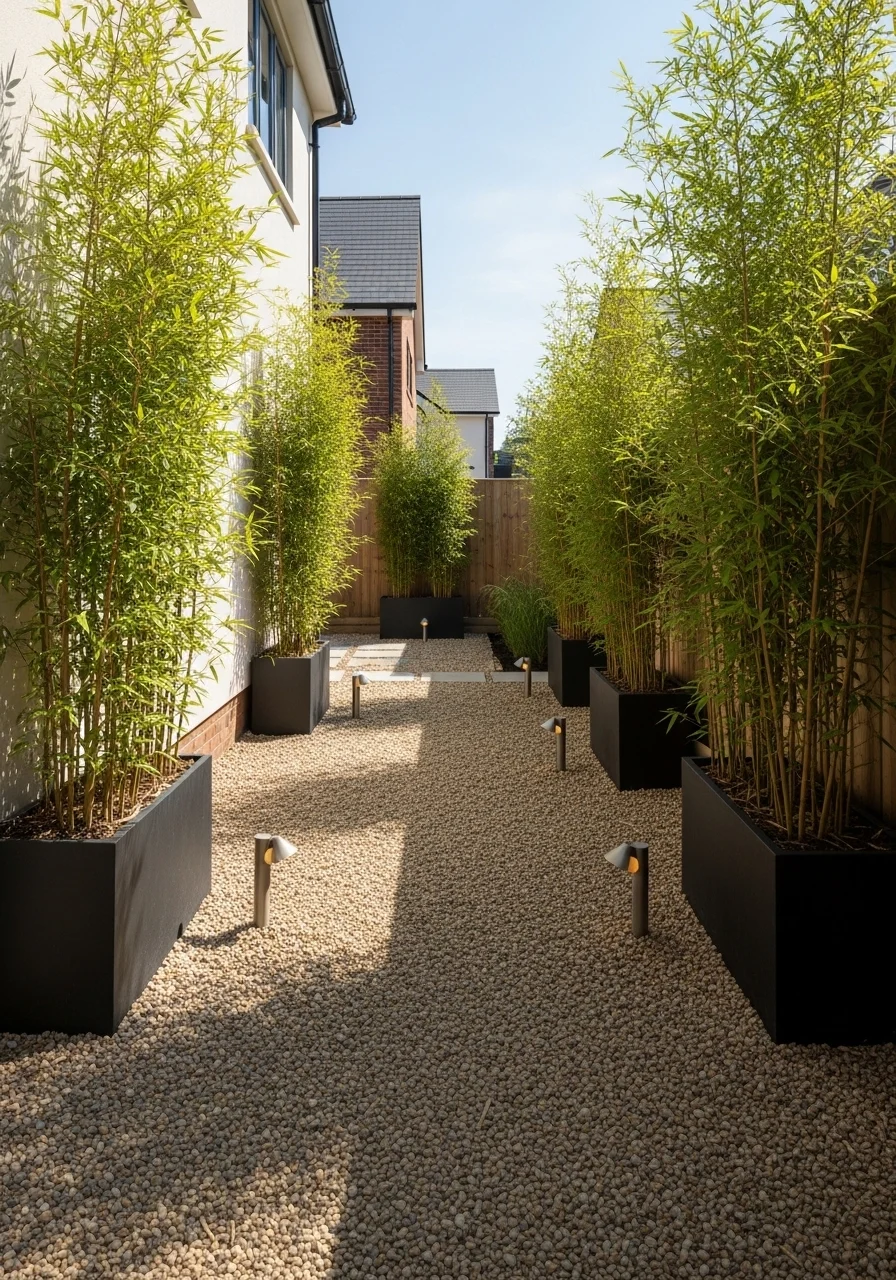
Bamboo screens provide fast-growing, natural privacy that softens boundaries. Plant bamboo in deep containers or a designated bed with root barriers. It screens neighbors and creates a green backdrop for seating and dining areas. Bamboo adds verticality and movement with a minimal footprint. Visual effect is a living fence that feels warm and organic. Choose clumping bamboo if you want less aggressive spread. The result is a quiet, private atmosphere that feels lush without heavy fencing.
Why This Works
- Creates tall, natural privacy quickly
- Adds vertical texture and movement
- Softens hard fences and walls
- Works well in narrow or urban yards
Quick Tips
- Use root barriers for running bamboo
- Choose clumping varieties for containers
- Trim lower canes for airflow
- Water regularly until established
- Pair with gravel or mulch for clean edge
17. Playful Lawn Stripe Pattern
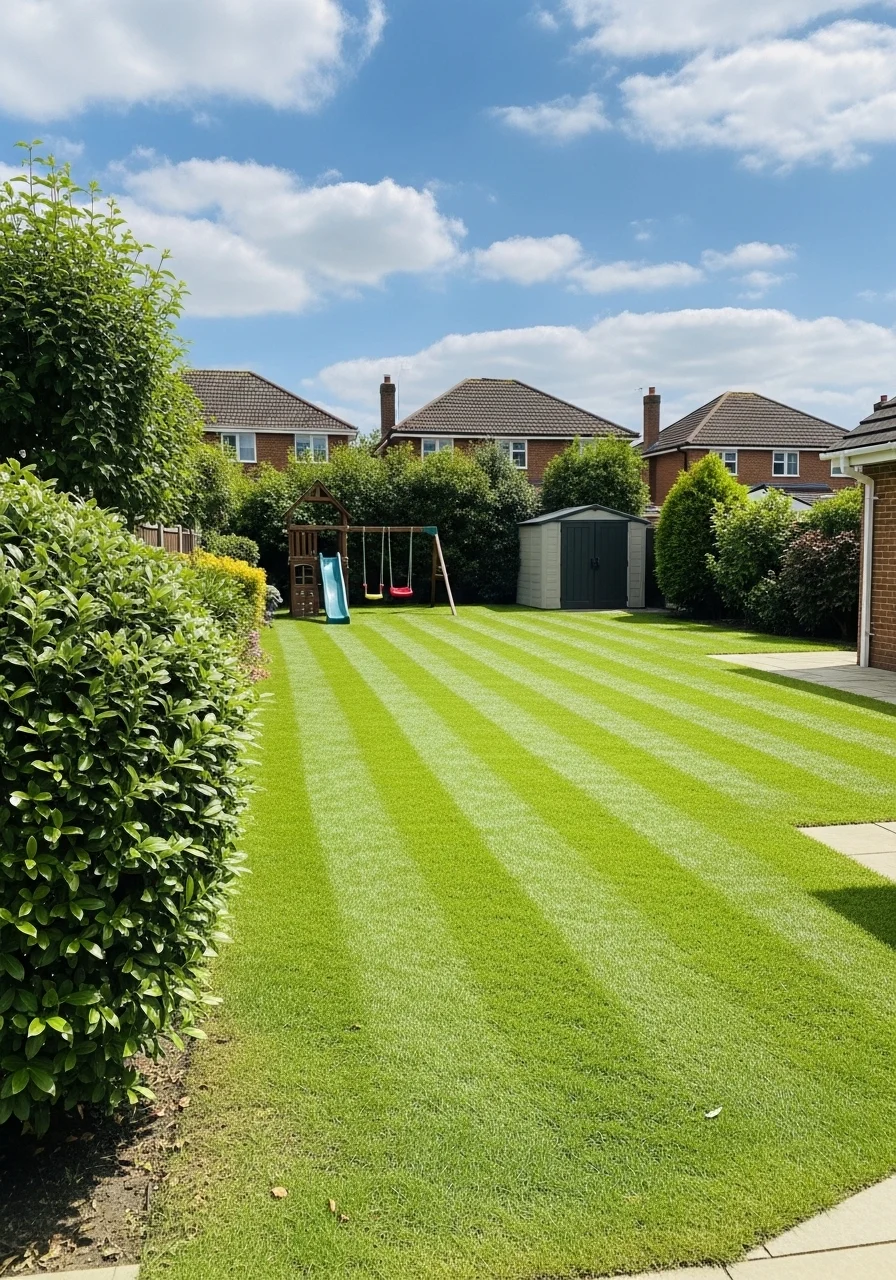
A striped lawn pattern adds visual interest to an ordinary turf area. Mow in alternating directions to create light and dark bands. This simple treatment highlights the lawn and creates a manicured, park-like feel. It works well for front yards, sports areas, and large backyard lawns. The pattern draws the eye and creates a sense of care without extra planting. It also breaks up large green expanses so your yard feels intentional and maintained with minimal extra work.
Why This Works
- Adds polished visual texture to turf
- Emphasizes length and flow of the lawn
- Requires only a mower and time
- Makes lawn feel professionally groomed
Quick Tips
- Use a striping kit or roller on your mower
- Mow at consistent height for best contrast
- Plan straight guide lines before starting
- Keep edges neat to frame stripes
- Mow regularly to maintain the pattern
18. Moonlighting Tree Uplights
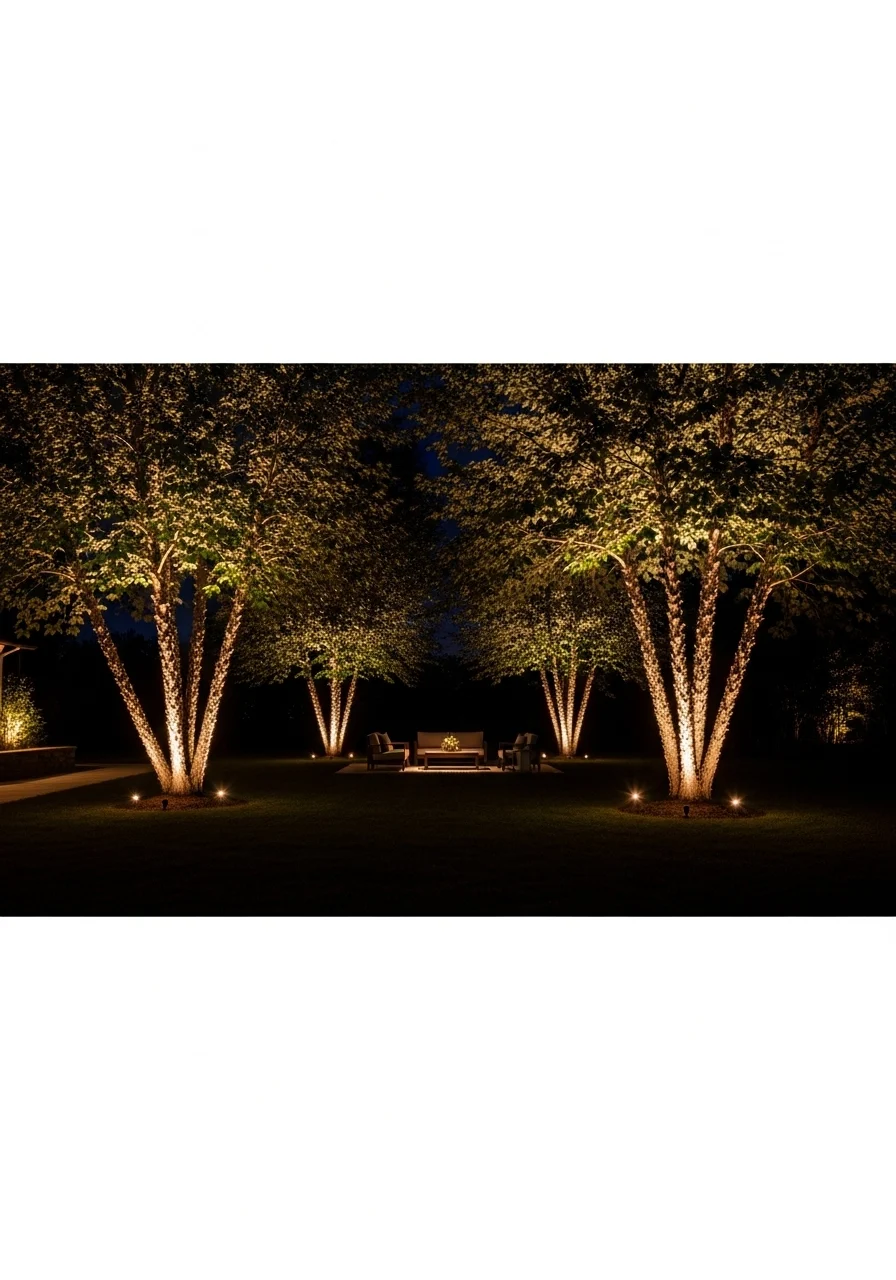
Moonlighting uplights mimic soft moon rays by placing fixtures high in trees to cast downward light. This subtle technique creates natural-looking illumination and safe paths. It produces dappled patterns on the ground that feel calm and inviting. Use LED fixtures and aim them for soft coverage rather than harsh beams. Moonlighting enhances evening ambience without glaring fixtures. It also highlights tree canopies as sculptural elements and extends the usability of patios and walkways after dark.
Why This Works
- Creates soft, natural night light
- Highlights trees and creates depth
- Enhances safety without harsh glare
- Sets a relaxed evening atmosphere
Quick Tips
- Place lights high and angle downward
- Use warm LED bulbs for natural color
- Disguise fixtures among branches
- Use timers or smart controls for convenience
- Test angles before final installation
19. Seasonal Container Swaps
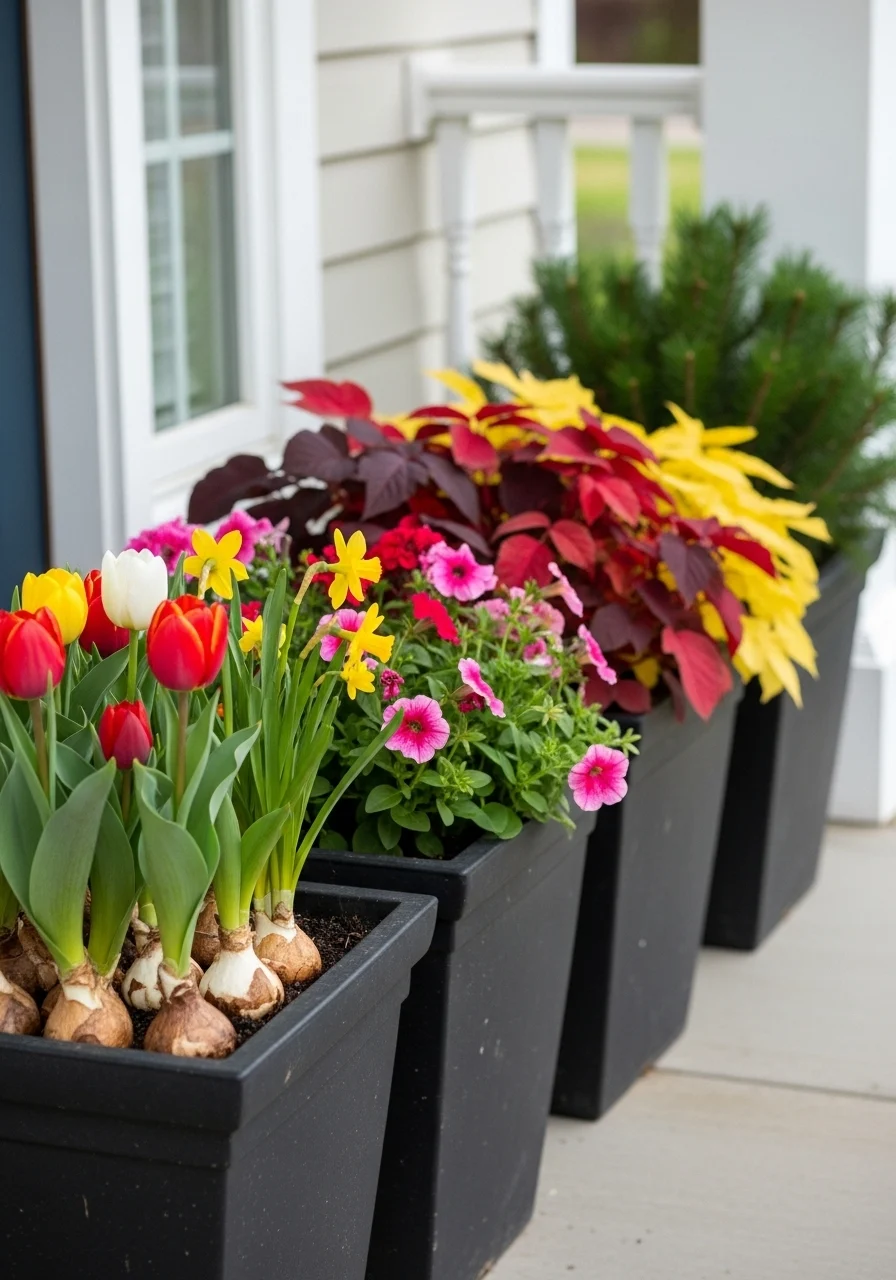
Seasonal container swaps refresh the look of your outdoor space without permanent changes. Swap plants in pots as seasons change to keep color and texture current. Use spring bulbs, summer annuals, fall foliage, and winter evergreens for year-round curb appeal. Containers let you experiment with palettes and pairings. This approach is ideal for porches, steps, and patios where frequent updates are easy. Swaps keep the outdoor space lively and make seasonal transitions visible and joyful.
Why This Works
- Keeps the yard looking fresh year-round
- Allows easy color and texture changes
- Works on porches and small spaces
- Flexible and budget-friendly updates
Quick Tips
- Use matching pots for a cohesive look
- Plan swaps a season ahead
- Layer with evergreen accents for winter interest
- Reuse potting mix with fertilizer boosts
- Group containers by watering needs
20. Minimalist Zen Courtyard
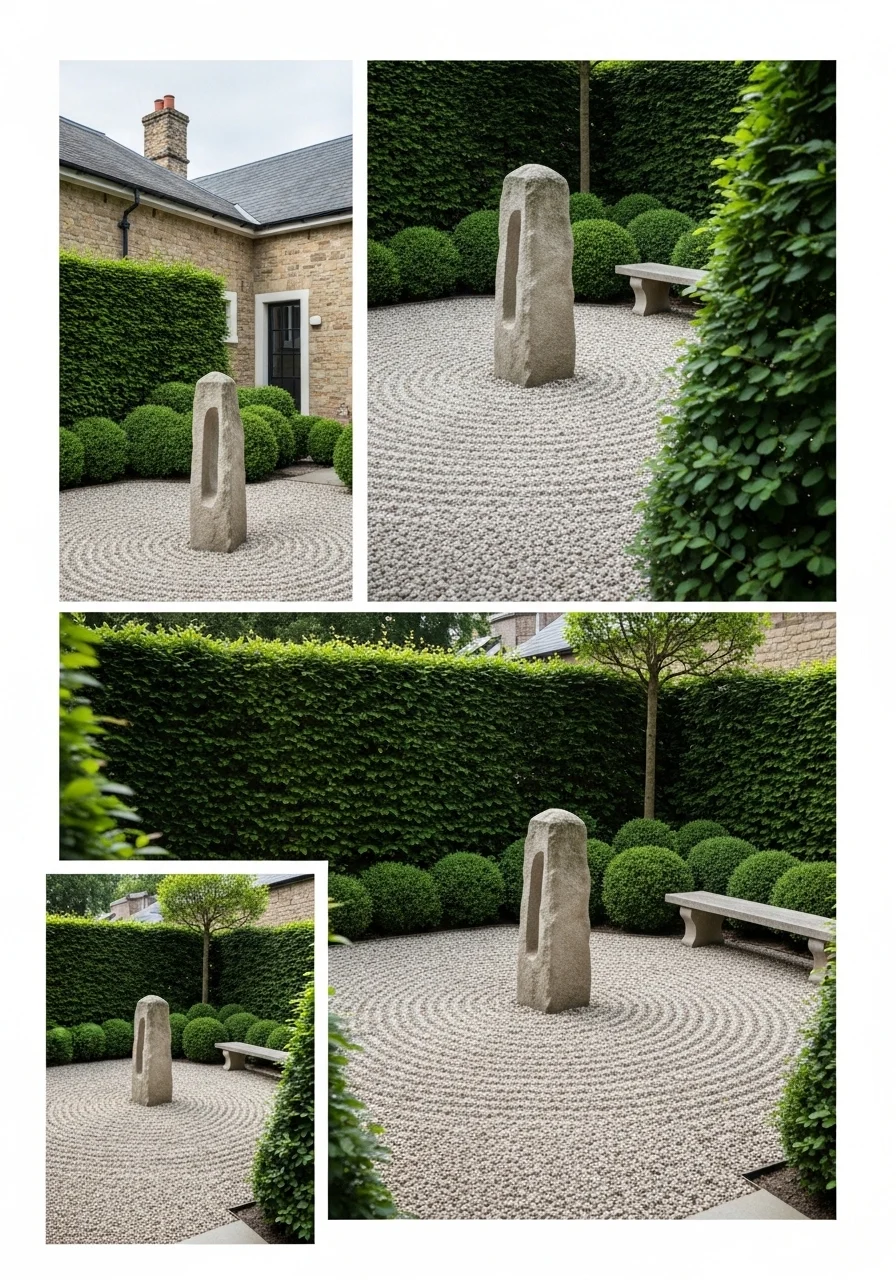
A minimalist Zen courtyard strips design to essential elements for a calm outdoor retreat. Use gravel, a focal stone, and clipped plantings to create meditative space. This works in small urban yards, courtyards, and between buildings. The style reduces visual clutter and promotes quiet reflection. Functionally, it needs little maintenance and requires minimal water. It also pairs well with sliding doors and indoor-outdoor transitions. A Zen courtyard makes your outdoor space feel like a quiet pause rather than another task.
Why This Works
- Creates a calm, restrained outdoor room
- Low maintenance and low water use
- Perfect for small urban spaces
- Emphasizes form and negative space
Quick Tips
- Keep plant palette minimal and sculptural
- Rake gravel patterns for texture
- Place seating for a view of the focal stone
- Use simple materials and muted colors
- Maintain regular light pruning
21. Wildlife-Friendly Native Plant Corridor
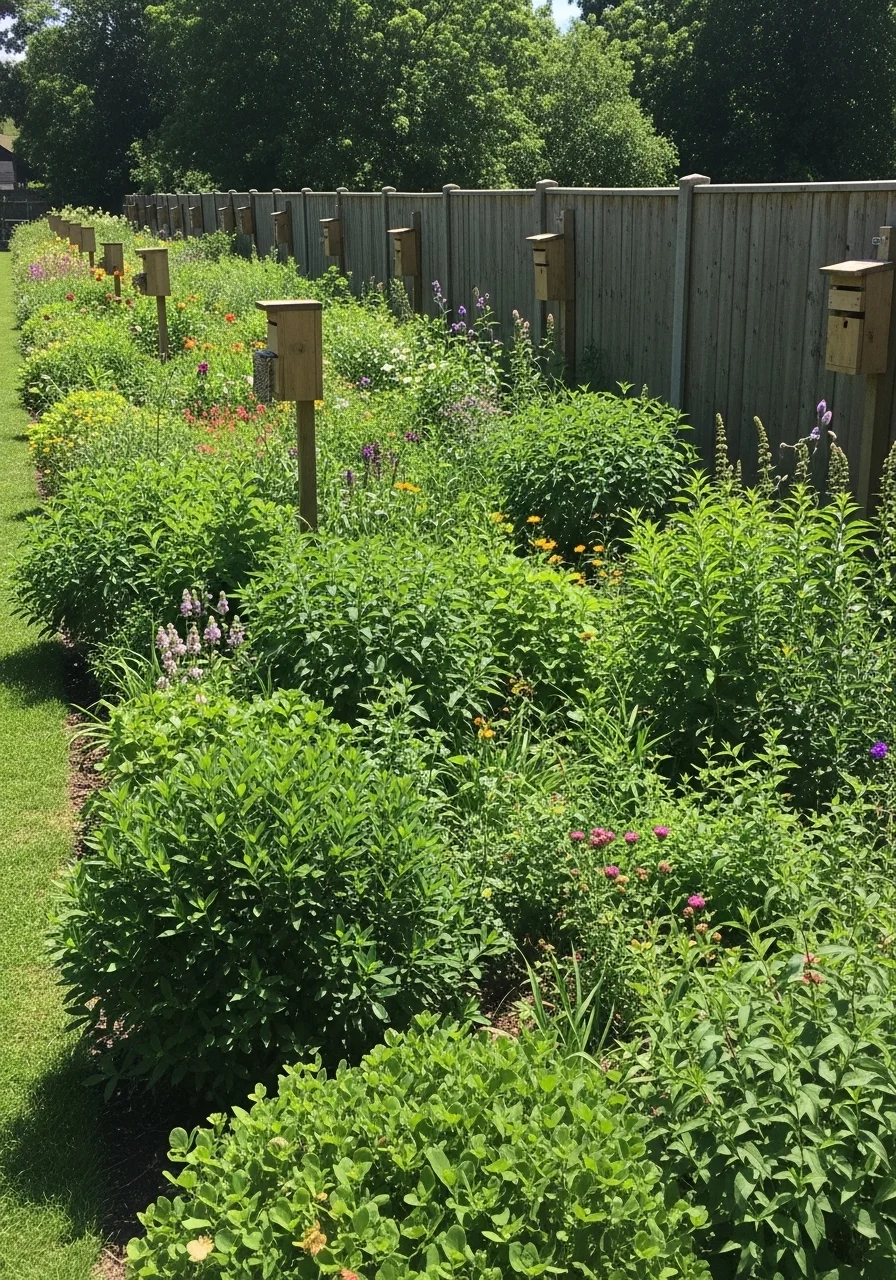
A wildlife-friendly native plant corridor connects habitats and brings birds, bees, and butterflies to your yard. Plant a linear mix of native shrubs, flowers, and seed-bearing plants. This corridor supports nesting, feeding, and shelter for local species and enhances biodiversity. Visually, it adds layered texture and seasonal change along property edges. It’s ideal for borders, hedgerows, or edges near natural areas. The corridor contributes to local ecology and creates lively, ever-changing scenery in your outdoor space.
Why This Works
- Supports local wildlife and pollinators
- Adds seasonal color and motion
- Connects fragmented green spaces
- Requires less water and fertilizer when native
Quick Tips
- Choose plants native to your region
- Provide water sources like shallow basins
- Include dense shrubs for nesting cover
- Avoid pesticides and herbicides
- Stagger bloom times for continuous nectar
22. Outdoor Kitchen Nook
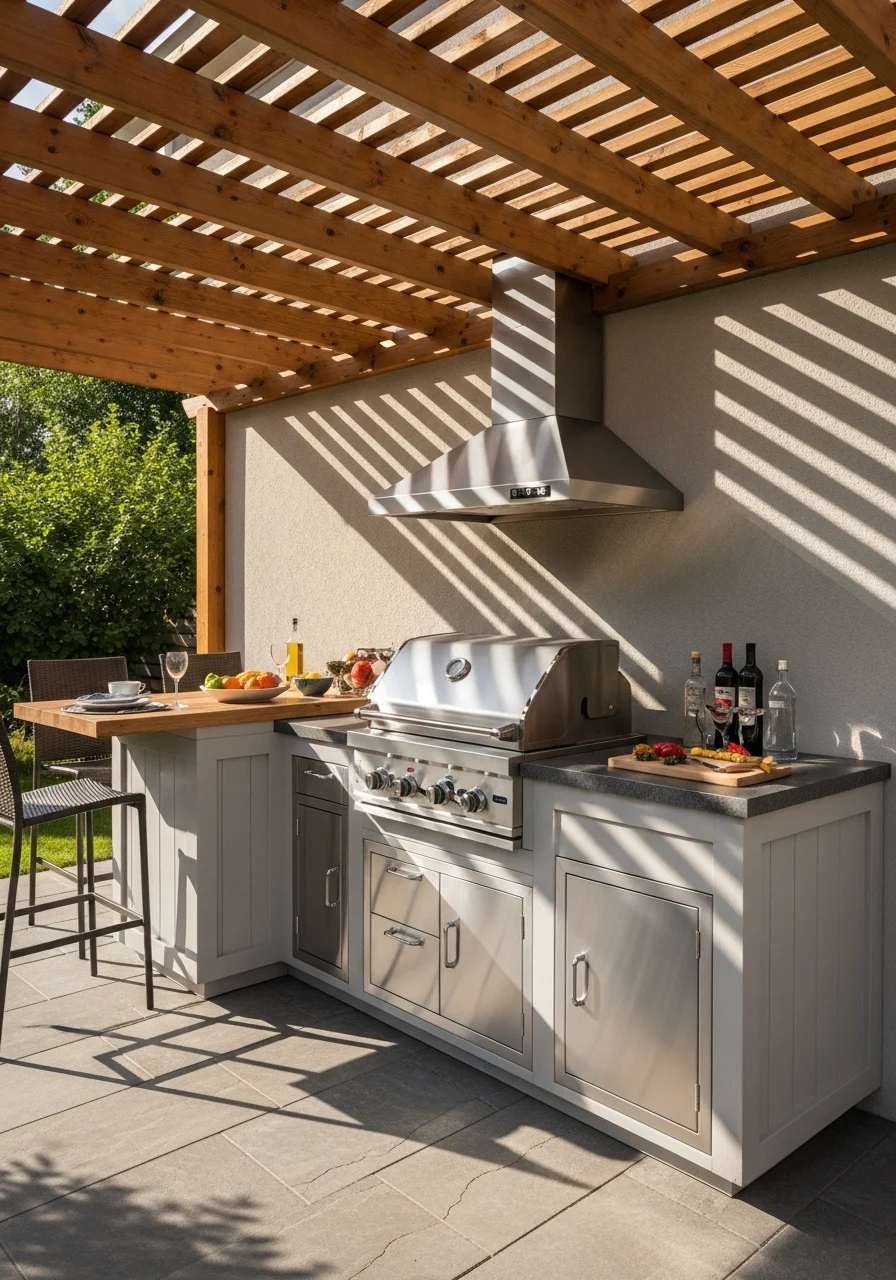
An outdoor kitchen nook brings cooking outside for easy entertaining and family meals. Install a compact grill, prep surface, and some storage near the main patio. Even a small counter with a portable grill upgrades outdoor usability. It reduces trips inside and makes dining alfresco more relaxed. Visually, a kitchen nook anchors the patio and encourages social cooking. Add weatherproof materials and lighting to make it work for evening meals. A modest setup can greatly increase how often you use the yard.
Why This Works
- Makes outdoor dining and entertaining easier
- Reduces indoor-outdoor traffic during meal prep
- Anchors patio layout with functional use
- Encourages social gatherings outdoors
Quick Tips
- Plan for a simple work triangle
- Use weatherproof finishes and materials
- Include adequate ventilation for grills
- Add lighting for evening tasks
- Consider a small sink if space allows
23. Low-Maintenance Groundcover Mat
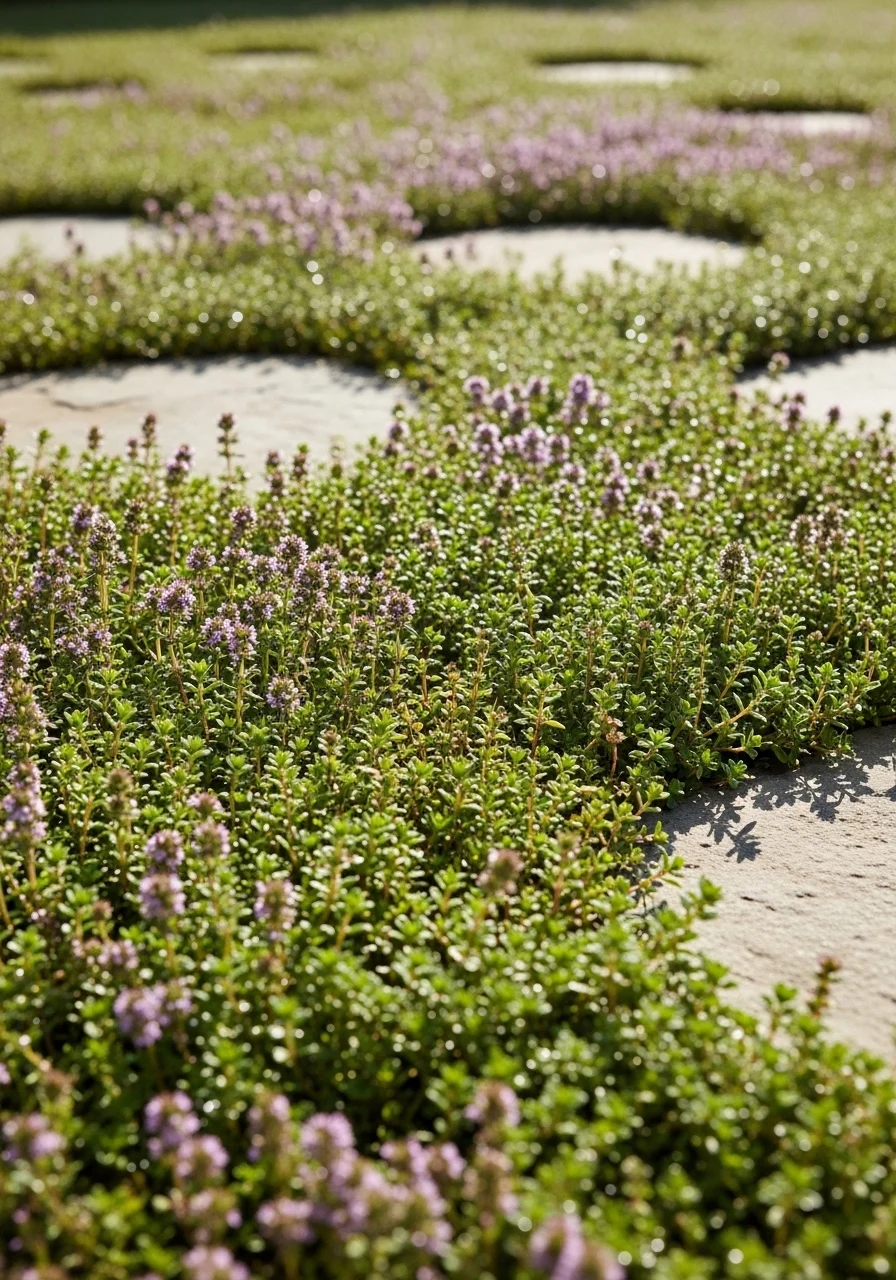
A low-maintenance groundcover mat replaces high-care turf with plants like thyme, clover, or sedum. It creates a soft, textured surface that tolerates light foot traffic and reduces mowing. Groundcovers work for slopes, between pavers, and in small lawn patches. They improve soil health and often need less water than grass. Visually, they provide continuous color and small-scale detail. Installing groundcover makes your outdoor space easier to care for while giving it a lush, natural carpet-like appearance.
Why This Works
- Cuts mowing and routine lawn care
- Adds texture and close-up interest
- Helps control erosion on slopes
- Often uses less water than traditional grass
Quick Tips
- Choose groundcovers suited to sun and soil
- Prepare soil and remove weeds before planting
- Plant in plugs or mats for faster coverage
- Water until established, then reduce frequency
- Combine with stepping stones for practical paths
You now have 23 landscape ideas to upgrade your outdoor space, from lighting and seating to planting and hardscape concepts. Many are small projects you can try over a few weekends. Save or pin the ideas that match your yard and start with one change to see a big visual return. Which idea are you most likely to try first?